The short answer
Yes, mice repellent pouches work well in enclosed spaces like garages, attics, and storage sheds when paired with good sanitation. For property owners seeking a clean, poison-free deterrent that requires no messy cleanup or snap trap resets, scented repellent pouches offer a reliable, hassle-free layer of protection.
| Option | How it works | Best for | Good to know |
|---|---|---|---|
| Scented pouches (RepelNest) | Releases plant-based aromatic oils that deter rodents | Garages, attics, RVs, and storage closets | Simple pouch placement with zero poisons or messy cleanup |
| Wooden snap traps | Mechanical spring bar triggers when baited | Capturing individual intruders immediately | Requires active checks, bait handling, and carcass disposal |
| Rodenticide bait blocks | Chemical anticoagulants placed in secure stations | Severe commercial structural pressures | Carried back to nests; potential hazard around pets |
| Physical exclusion | Steel wool, copper mesh, and caulk block entry points | Permanent protection along outer building envelopes | Requires thorough inspection of foundation lines and gaps |
If you want clean rodent control without snap traps or toxic chemicals, explore RepelNest repellent pouches and current pack options to start protecting enclosed storage spaces right away.
Do Mice Repellent Pouches Work in Enclosed Spaces?
Mice rely on their sense of smell far more than their limited vision. Rodents use acute olfactory cues to find food, detect predators, and navigate through familiar territory. Scent-based repellent pouches leverage this biological trait by saturating air in confined areas with concentrated botanical oils. When a mouse enters a space dense with these potent aromas, the intense scent overwhelms its sensory receptors. This sensory overload makes it difficult for the animal to detect food sources or sense danger, prompting it to vacate the area in search of a calmer environment.
Scent pouches perform at their peak in sheltered, enclosed zones. In open, drafty yards or broad outdoor patios, air movement dissipates aromatic oils before they build up sufficient concentration. In enclosed or semi-enclosed micro-environments—such as car engine compartments, attics, wall cavities, RV interiors, and crawl spaces—the vapor concentrates quickly. Research compiled by the University of Minnesota Extension confirms that rodents navigate primarily through olfactory signals, making sensory disturbance a logical method for disrupting their nesting routines.
Because pouches release oils passively, they do not require batteries, electrical cords, or mechanical springs. They establish a continuous aromatic barrier that keeps enclosed spaces unwelcoming to rodents day and night.
Strategic Placement Across Your Property
Proper placement determines how well repellent pouches perform. Simply tossing a pouch into the center of a large open room will not produce the same results as targeted positioning along known rodent routes and quiet nesting spots.
We may earn a commission if you buy through our links, at no extra cost to you.
Basements and Crawl Spaces
Basements provide steady temperatures and numerous dark hiding spots behind insulation, ductwork, and stored containers. Place pouches near rim joists, close to perimeter foundation sills, and beside sump pump enclosures. Taking time to keep mice out of a basement by maintaining dry corners and deploying scent pouches keeps stored family keepsakes safe from gnawing.
Storage Bins and Garden Sheds
Sheds often house seasonal items like potting soil, grass seed, and lawn cushions. Mice chew through fabric and soft plastics to harvest nesting materials. Place pouches directly inside tool chests, cushion lockers, and shelving racks. When you store garden tools so they don’t rust, tucking an aromatic pouch onto each shelf keeps mice from sheltering around your metal hand tools.
Vehicles, Campers, and RVs
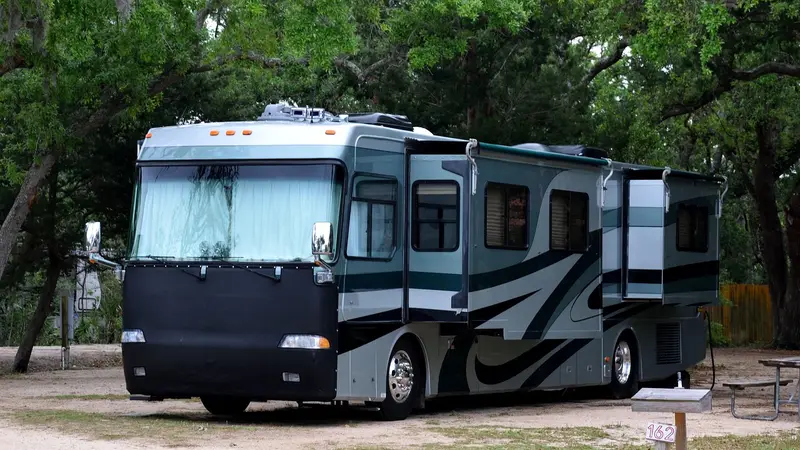
Recreational vehicles sitting in seasonal storage frequently suffer rodent damage. Mice chew vehicle wiring harnesses, nesting behind dashboard panels and under seat cushions. Place pouches inside the engine bay (away from hot manifolds when parked), under front seats, inside camper storage compartments, and throughout interior cabinet corners before winterizing.
Essential Steps to Maximize Scent Deterrents
While botanical pouches work consistently in enclosed spaces, pest management improves dramatically when you combine scent deterrents with basic habitat management. The Centers for Disease Control and Prevention recommends a multi-step approach centered on sealing entry gaps and eliminating food sources to maintain a rodent-free structure.
1. Seal Entry Points
Mice can squeeze through gaps as small as a dime. Inspect foundation sills, gaps around utility conduits, dryer vent hoods, and garage door bottom seals. Pack small openings with stainless steel wool or copper mesh, then seal them with silicone caulk or expanding foam. Eliminating easy entrance routes forces rodents to move on rather than test indoor spaces.
2. Remove Competing Attractants
A pouch provides an unpleasant scent, but severe hunger can drive rodents past mild deterrents if an open food source is nearby. Store grass seed, birdseed, pet kibble, and bulk pantry grains in rigid plastic bins or metal cans with secure lids. Sweep up crumbs and wipe away grease around outdoor grills and utility sinks.
3. Elevate Stored Goods
Mice prefer navigating along walls and under low, covered objects where they feel safe from overhead predators. Keep cardboard boxes elevated off bare concrete floors using wire shelving units or wooden pallets. Leaving an open air gap beneath shelving units eliminates hidden corridors and allows scent vapors to circulate freely.
Pros and cons
Evaluating scent deterrents helps you decide if pouch-based deterrence fits your property maintenance routine.
Pros:
- No toxic poisons: Safe to use in residential environments without introducing harmful anticoagulants or dangerous neurotoxins into your living space.
- No trap resets or cleanup: Eliminates the unpleasant chore of emptying mechanical snap traps or handling dead rodent carcasses.
- Zero electricity needed: Requires no power outlets, extension cords, or replacement batteries, making them perfect for sheds and parked vehicles.
- Long-lasting passive release: Continuously emits aromatic botanical vapors throughout enclosed cabinets, drawers, and crawl areas.
- Pleasant scent for humans: Delivers fresh herbal notes like peppermint and cedar that refresh storage areas while repelling pests.
Good to know:
- Best in confined zones: Botanical oils concentrate most effectively in enclosed or semi-enclosed spaces such as sheds, closets, and vehicles rather than open, drafty porches.
- Pair with food storage habits: Achieving the fastest results involves keeping animal feed and grains secured in airtight plastic or metal bins.
- Rotate according to label guidance: Refresh pouches periodically as indicated on the packaging to maintain maximum aromatic strength.
Who it’s ideal for
- If you store seasonal vehicles or RVs: Campers, trucks, and vintage cars parked for months benefit from continuous protection against wire-chewing rodents.
- If you dislike handling traps: Homeowners who want rodent protection without having to inspect, reset, and clean mechanical snap traps find pouches far more convenient.
- If you need safe outbuilding defense: Garden sheds, detached workshops, and crawl spaces stay defended without running power cords for electronic devices.
- If you store keepsakes in garages or basements: Tucking pouches between storage bins protects holiday decor, clothing, and paper records from nesting damage.
To equip your garage, attic, or RV with reliable botanical protection, order RepelNest repellent pouches with guaranteed delivery and protect your storage spaces today.
Where RepelNest repellent pouches fits
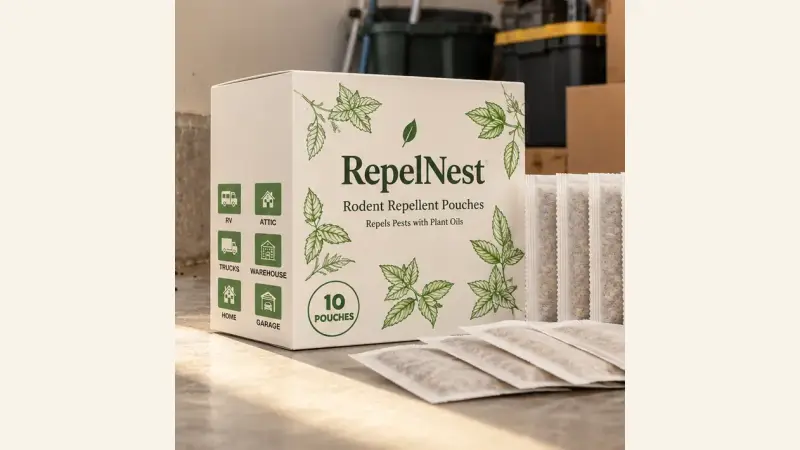
RepelNest repellent pouches provide a poison-free, pouch-based way to deter rodents across residential and storage properties without conventional trap setups. Each pack contains 10 individual pouches, measuring about 2.44 × 3.62 inches, allowing you to position targeted scent barriers exactly where rodents seek shelter.
These pouches are engineered for simple, clean placement in garages, basements, attics, warehouses, trucks, and RVs. Because they require no messy baiting, mechanical tensioning, or carcass disposal, you can set them into position within minutes and let the aromatic oils do the work. The compact footprint makes it effortless to slide them into tight corners, behind heavy shelving, under camper bench seats, and along perimeter sill plates.
Every order includes clear placement instructions right on the packaging so you can deploy each pouch for maximum effect. Furthermore, RepelNest pouches come backed by a 30-day money-back guarantee, allowing you to secure your seasonal equipment and storage areas with complete confidence. To enjoy clean, poison-free pest protection throughout your home and vehicles, check the official RepelNest pouch offer and select the pack that suits your space. If this sounds like what you need, take a look at what RepelNest repellent pouches offers.
Sources
- CDC, How to Seal Up to Prevent Rodents. Details official recommendations for sealing structural gaps and managing rodent attractants.
- EPA, Controlling Rodents Safely. Overview of rodent management options, risks of chemical baits, and non-toxic approaches.
Product details come from the seller’s page and can change.
Questions people actually ask
Do mice repellent pouches work permanently?
Repellent pouches provide ongoing protection as long as they emit active botanical oils. Over time, the aromatic compounds dissipate, so you must replace them according to the packaging guidelines to keep the scent barrier strong.
Can mice repellent pouches be used inside car engines?
Yes, pouches work exceptionally well in vehicle engine compartments when parked in storage. Always place them securely away from moving belts or exhaust manifolds, and remove or secure them before running the engine.
How many pouches do I need for a two-car garage?
Most standard two-car garages benefit from four to six pouches distributed strategically around perimeter corners, next to exterior doors, and behind large storage shelving units.
Are botanical repellent pouches safe around pets?
Unlike toxic rodenticides, plant-based repellent pouches do not contain anticoagulants or dangerous poisons. However, you should still position them out of direct reach of curious pets so the pouches remain undisturbed.
Do mice get used to the smell of repellent pouches?
Mice can become habituated to mild background scents if competing food smells are extremely strong. Combining fresh pouches with airtight food storage ensures the sensory irritation remains high enough to keep them away.