The short answer
How often you should sharpen kitchen knives depends on how much you cook and what you cut on. Many home cooks hone often and sharpen a few times a year, sooner if a tomato skin or a sheet of paper starts to tear. Lightly used knives can go longer. Watch the edge, not only the calendar.
Difference Between Honing and Sharpening
Many home cooks confuse honing with sharpening, but the two routines do different jobs on a steel edge. Understanding the distinction is the first step toward longer-lasting kitchen cutlery.
What Honing Accomplishes
Honing does not remove metal from the blade. Over time, normal chopping and slicing cause the microscopic apex of the edge to bend left or right. A honing rod—whether steel, ceramic, or diamond-coated—pushes those tiny teeth back into center alignment. Honing should happen often, ideally before or after every major cutting session. It restores bite without wearing down the blade’s profile.
What Sharpening Accomplishes
Sharpening is an abrasive process that grinds away metal to carve a fresh, sharp bevel. As knives cut across surfaces, the edge gradually rounds over. Honing cannot fix a dull bevel that has lost its wedge shape. Sharpening removes damaged metal to re-establish a fine cutting point. A sharp knife also needs less force, which improves control during prep. N.C. Cooperative Extension notes that a dull knife is more likely to slip because it takes more force to cut, and recommends sharpening kitchen knives at least once a year, preferably more often.
Signs Your Kitchen Knife Needs Sharpening
Instead of relying solely on a calendar, watch how your knife handles daily ingredients. A blade gives clear signals when honing no longer restores its edge.
- The Paper Test: Hold a sheet of standard printer paper vertically. Try to slice through the top edge using only a downward sliding motion. A sharp knife cuts cleanly without tearing or snagging.
- The Tomato Skin Test: Place the heel of the knife on a ripe tomato. Draw the blade back gently with little downward weight. A sharp edge pierces the smooth skin, while a dull edge squashes the fruit before breaking through.
- Slipping on Onion Skins: When peeling or dicing onions, a dull tip slips off the glossy outer layers, which raises the chance of the blade sliding toward your fingers.
- Crushing Tender Herbs: Dull blades crush parsley, basil, or cilantro, leaving dark moisture on the board instead of clean cuts.
How Often Should You Sharpen Kitchen Knives Based on Use
Your prep habits determine how often you should sharpen kitchen knives. Match maintenance to actual kitchen volume so you keep the steel sharp without removing more metal than you need.
Everyday Home Cooks
If you prepare meals once or twice a day with a primary chef knife, plan on a full sharpening a few times a year, and sooner if the paper or tomato test starts to fail. Regular home use on wood or plastic boards, plus frequent honing, is often enough to hold a quality stainless or high-carbon edge between those sessions.
Heavy Culinary Use
Home cooks who prep often, process large volumes of produce, or butcher whole meats may need to sharpen more often. High repetition wears the bevel faster. If you regularly work on dense root vegetables or hard squashes, watch the edge closely and sharpen when the tests above start to fail, rather than waiting for a set number of weeks.
Light or Occasional Use
Utility knives, paring knives, or backup blades used only a few times a week can go longer between sharpenings. As long as these tools stay free of nicks and get occasional honing, wait until the edge actually loses its bite.
Impact of Cutting Boards
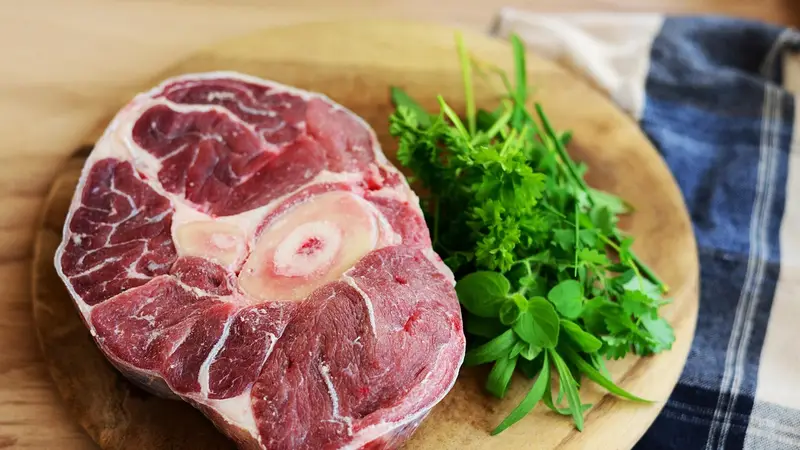
Board material changes how quickly an edge wears. Hard surfaces like glass, granite, or ceramic dull steel much faster than wood or plastic. Evaluate your cutting board surface choices so the prep station protects the blade. Dedicated end-grain wood or medium-density polyethylene boards cushion impact and stretch the time between sharpenings. If you frequently handle raw proteins, choosing appropriate prep surfaces for raw meat supports both kitchen hygiene and edge retention.
Practical Methods to Restore a Dull Edge
Several tools can reshape a worn knife bevel. Choosing the right method depends on your comfort level, available time, and how much control you want over the angle.
Traditional Whetstones
Water stones or oil stones are the classic approach. They offer complete control over bevel angles and metal removal, and they take practice to keep a consistent angle by hand along the full length of the blade.
Manual Guided Sharpeners
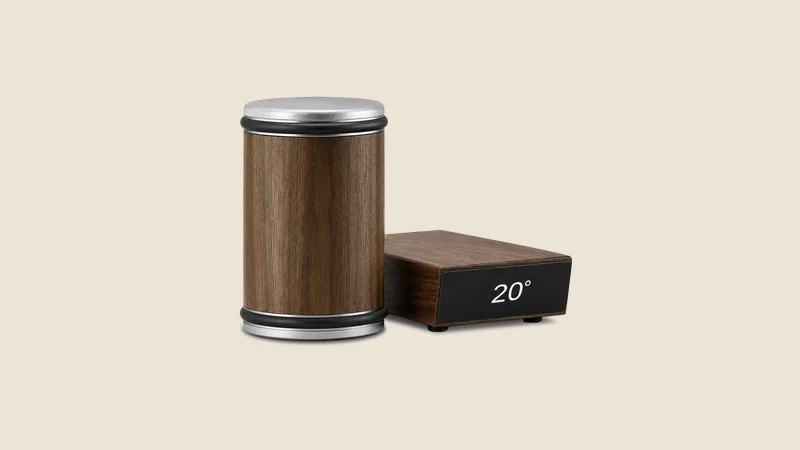
Guided tools take the guesswork out of angle control. Rolling sharpeners and magnetic angle blocks hold the blade steady while abrasive surfaces pass along the edge. Exploring magnetic rolling sharpener designs shows how guided setups help maintain a consistent angle without freehand whetstone technique.
Pull-Through Sharpeners
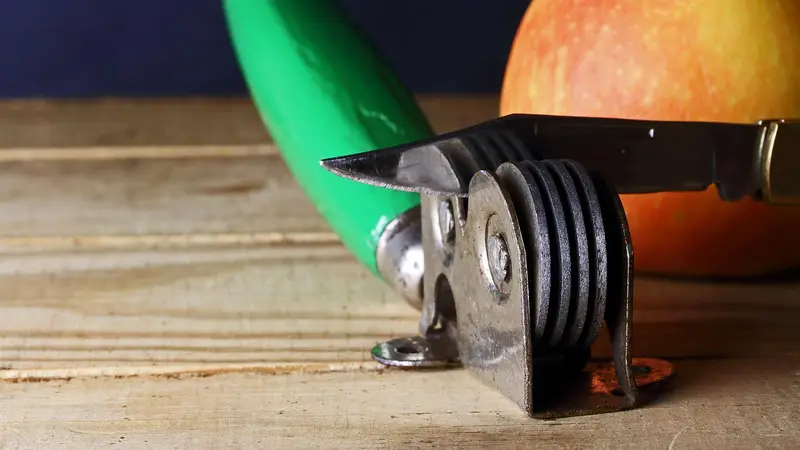
Pull-through gadgets use carbide V-notches or internal wheels and are built for speed. Fine ceramic-wheel models are a common choice for light touch-ups when you want a quick pass rather than a full guided or stone session.
Alternative Home Techniques
When standard sharpening gear is unavailable, other abrasive surfaces can provide a temporary refresh. Understanding how to manage sharpening kitchen knives without a whetstone helps you keep a working edge with household items such as a ceramic mug base or fine sandpaper.
Best Practices for Maintaining Edge Longevity
Sharpening removes steel, so protecting the knife between sessions preserves the life of your cutlery.
Hand Wash Only
Keep quality kitchen knives out of the automatic dishwasher. High heat, harsh detergents, and contact with other utensils can pit the steel and dull the fine apex. Wash knives by hand with warm, soapy water after use, then dry them completely with a clean towel.
Store Blades Properly
Loose knives in a crowded drawer strike against each other and can dull or chip the edges. Use magnetic wall strips, a wood block, or individual edge guards to protect exposed bevels when the knives are not in use.
Respect Cutting Techniques
Avoid twisting or prying with the knife tip, and avoid scraping the sharp edge sideways across the board to gather chopped food. Use the spine of the knife or a bench scraper to push ingredients off the board.
Pros and cons
Establishing a regular knife-care routine offers clear cooking advantages alongside straightforward maintenance habits.
Pros
- Kitchen safety: Sharp knives grip food immediately, which helps prevent slips under cutting pressure.
- Better food quality: Clean cuts keep herbs looking fresh and help meat juices stay in the piece.
- Less hand strain: Sharp edges slice with less effort during longer prep sessions.
- Longer tool life: Gentle, timely edge care preserves steel better than waiting until a blade is badly worn.
Best results when
- You hone frequently before major chopping tasks to keep the bevel aligned.
- Cutting surfaces are forgiving materials such as wood, bamboo, or food-grade plastic.
- Blades are dried by hand before storage to help prevent corrosion.
Who it is ideal for
Regular edge maintenance is a good fit for home cooks who want precision, safety, and a smoother prep routine. Whether you cook nightly dinners or more involved weekend meals, keeping knives sharp makes food prep more predictable.
Where the Cloedar Holkeem rolling knife sharpener fits
We may earn a commission if you buy through our links, at no extra cost to you.
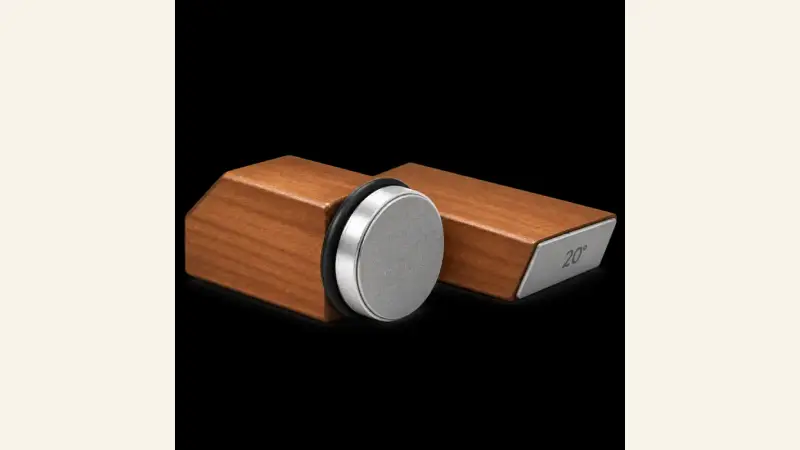
The Cloedar Holkeem rolling knife sharpener is designed to give you guided bevel control without freehand whetstone experience. Its magnetic angle base holds the knife in a stable position so you can roll the dual diamond abrasive discs along the full length of the edge.
The sharpener has two grit levels for complete edge care. The 400-grit diamond disc is designed to restore a worn or dull edge, and the 10,000-grit disc polishes and refines the bevel. It is fully manual—no electricity, batteries, or cords—so you can use it quietly on a kitchen counter.
It is designed for everyday chef knives, paring blades, and utility cutlery, and the offer includes a 14-day money-back guarantee. If this sounds like what you need, take a look at what the Cloedar Holkeem rolling knife sharpener offers.
Sources
- N.C. Cooperative Extension, Caring for Kitchen Knives. Explains why a sharp knife is safer, distinguishes honing from sharpening, and recommends sharpening at least once a year, preferably more often.
Product details come from the seller’s page and can change.
Questions people actually ask
Can you sharpen kitchen knives too often?
Sharpening removes metal from the blade, so doing it more often than the edge needs will wear the profile down faster. Use a honing steel to realign the edge between uses, and save abrasive sharpening for when the knife no longer cuts cleanly.
Is a honing steel the same as a sharpener?
No. A honing steel does not grind away metal to create a new bevel. It realigns the existing edge that becomes bent during normal use. A sharpener uses abrasive materials to remove steel and form a fresh edge.
Why does my kitchen knife dull so fast?
Fast dulling is usually caused by hard cutting surfaces like glass or marble, washing knives in the dishwasher, or scraping the blade edge sideways across cutting boards. Switching to wood or plastic boards and hand washing helps keep edges sharp longer.
Do ceramic knives need sharpening as often as steel knives?
Ceramic blades often hold an edge longer than standard stainless steel, so they usually need less frequent sharpening. When a ceramic knife eventually dulls or chips, it typically requires diamond abrasives and a specialized technique to re-edge.