The short answer
You can sharpen knives without a whetstone by using the unglazed bottom rim of a ceramic mug, a honing steel for quick touch-ups, fine-grit sandpaper taped to a flat board, or a manual rolling sharpener that locks your blade at a consistent angle. The rolling sharpener is the easiest way to get a consistent, razor-sharp edge at home.
Why skipping traditional stones is easier than you think
Traditional Japanese water stones and oil stones demand patience, hand-eye coordination, and a steady grip to hold a precise fifteen or twenty-degree angle for twenty minutes at a time. If your hand slips, you round off the bevel or scratch the flat of the blade. Many home cooks abandon the process because the setup and cleanup take longer than the actual cooking prep.
Fortunately, modern kitchen maintenance offers several simpler paths. Whether you need a quick touch-up before slicing tomatoes or a complete edge restoration after months of heavy use, you can achieve professional results with alternative tools. A proper edge keeps your hand safe because a sharp blade bites into food rather than slipping off a smooth vegetable skin.
Before you start any sharpening routine, wash your knife thoroughly in warm, soapy water. Dry it completely with a clean towel. Food residue, grease, or dried onion juice can gum up abrasive surfaces and throw off your angle. A clean blade also lets you see the tiny silver line of the edge, which makes it much easier to judge your progress as you work down the length of the steel.
Using Alternative Household Surfaces
If you find yourself in the kitchen with a dull chef knife and zero specialized gear, you can look around your cupboards for improvised sharpening media. The most reliable emergency tool is a common ceramic coffee mug or a flower pot.
Turn the ceramic vessel upside down. Look at the very bottom ring where the clay did not receive a glaze. That unglazed ring is essentially a rough ceramic stone with enough hardness to abrade softer kitchen steel.
We may earn a commission if you buy through our links, at no extra cost to you.
- Place a damp dish towel on your counter to keep the mug from sliding around while you work.
- Hold the mug firmly with one hand and angle your knife blade at roughly twenty degrees against the unglazed bottom ring.
- Draw the blade across the ceramic from the heel near the handle all the way to the sharp tip in a smooth, sweeping motion.
- Apply light pressure—letting the ceramic do the work—and repeat this motion ten to fifteen times on one side before switching to the other.
- Rinse the blade under running water to wash away tiny steel particles before you cut any food.
While this method works well in a pinch, keep in mind that ceramic rings are small. Take your time to avoid nicking the handle or your fingers. For a deeper look at kitchen prep tools, you can review how a best cutting board material for raw meat choice impacts your edge retention over time.
Honing Rods Versus Sharpening Stones
Many home cooks confuse a honing steel with a sharpener. A honing steel does not actually remove metal to create a brand-new edge. Instead, it straightens microscopic teeth that bend sideways during normal chopping on wood or plastic. If your knife is only slightly dull, a steel rod brings it back to life in seconds.
How to use a honing steel correctly
Hold the steel vertically with the tip planted firmly on a cutting board, or hold it horizontally with a secure grip away from your body. Place the heel of your knife against the top of the rod at a twenty-degree angle. Lightly sweep the blade down and across the steel in an arc, moving from heel to tip. Alternate sides with each pass.
If your blade is completely blunt, however, a steel rod will not help. You need something that abrades steel. The same rust-prevention habits you use when you store garden tools so they don’t rust also keep kitchen blades in top shape.
According to guidelines from the University of Illinois Extension, proper maintenance of household utensils and tools extends their useful lifespan significantly. Taking care of your equipment means fewer replacements and safer food preparation sessions.
Sandpaper and Flat Glass Methods
Another reliable shop method involves wet-dry sandpaper. Because sandpaper comes in precise grit ratings, you can mimic a multi-stage whetstone progression without buying specialized stones.
Find a completely flat surface, such as a piece of plate glass, a thick granite tile, or the back of a baking sheet. Tape sheets of wet-dry sandpaper to the surface using painter’s tape so the paper cannot ripple or slide.
Start with a medium-coarse grit like 400 to reshape a dull or slightly damaged edge. Pull the knife backward across the paper, edge trailing, maintaining a steady angle. Once you raise a tiny burr along the edge, switch to a finer grit like 1500 or 2000 to polish the metal smooth.
This method gives you a large flat area to work across, which makes angle control much easier than balancing on a narrow whetstone. Always wipe down your cutting area afterward to ensure no grit migrates near your food prep zone. For related kitchen cleaning insights, check out how to get garlic smell out of a cutting board safely using basic pantry items.
Using the Cloedar Holkeem Rolling Knife Sharpener
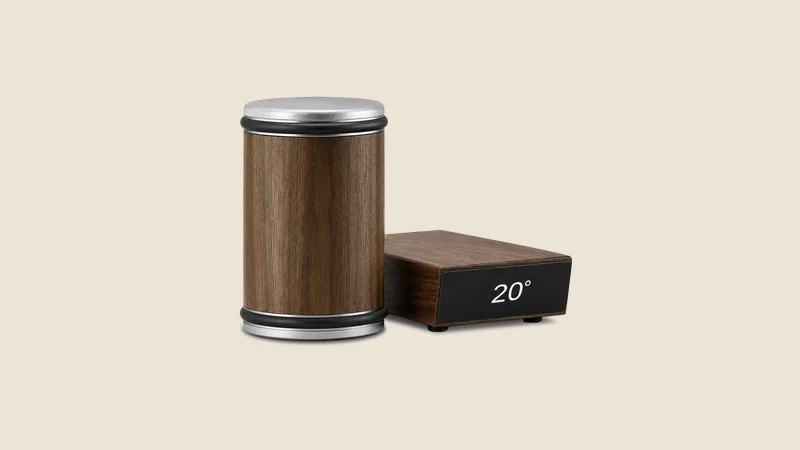
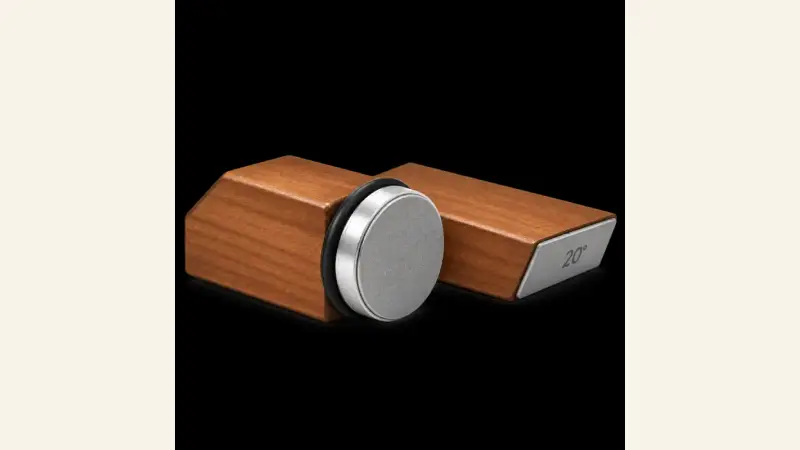
If you want the precision of a stone system without the steep learning curve, a dedicated manual tool changes the entire process. The Cloedar Holkeem rolling knife sharpener is a rolling sharpener with a magnetic angle base and two diamond abrasive discs (400 and 10,000 grit). It is manual: no electricity, cords, or batteries. The 400-grit disc restores a worn edge and the 10,000-grit disc polishes and refines it. A magnetic angle base holds the knife for you, so you roll the disc along the edge with no whetstone technique. It works with everyday kitchen knives and includes a 14-day money-back guarantee. See the current offer and terms on the seller’s page.
Because the magnetic block locks your blade at a consistent angle automatically, you eliminate human error. You can explore the Cloedar Holkeem rolling knife sharpener offer to see how easily it integrates into a standard kitchen drawer without taking up counter space.
Where Cloedar Holkeem rolling knife sharpener fits
The Cloedar Holkeem rolling knife sharpener fits kitchens where users want razor-sharp chef knives, utility knives, and paring blades without spending hours mastering traditional whetstone angles. Its compact footprint stores easily in a drawer, and the dual diamond discs handle both dull edge repair and mirror-finish polishing in a single setup. You can check out current availability for the rolling sharpener to upgrade your daily kitchen routine effortlessly. If this sounds like what you need, take a look at what Cloedar Holkeem rolling knife sharpener offers.
Why it stands out
- Highlights: Restores a razor-sharp edge without requiring manual angle balancing; includes dual-grit diamond discs for heavy repair and fine polishing; operates completely manually without cords or batteries; uses a magnetic base to secure blades safely during use.
- Good to know: Wipe the diamond discs clean with a damp cloth after use to prevent metal dust buildup; store the sharpener in a dry drawer away from moisture; ensure your knife blade is clean and dry before placing it against the magnetic angle block for the best results.
Who it’s ideal for
This sharpening approach is ideal for home cooks who love cooking with sharp chef knives but lack the time or desire to practice traditional whetstone techniques. It suits anyone who wants consistent, repeatable bevel angles across all kitchen cutlery without messy water baths or electric motor noise.
Sources
- University of Illinois Extension (home page). Supports general guidance on extending the useful lifespan of household tools through proper routine care.
- Environmental Protection Agency (home page). Backup authority source for general household upkeep and safety practices.
Product details come from the seller’s page and can change.
Questions people actually ask
Can I use the bottom of a ceramic plate to sharpen a knife?
Yes, the unglazed ring on the bottom of many ceramic plates or mugs acts as a makeshift abrasive stone. Draw the blade across the ring at a consistent angle just as you would on a standard sharpening stone.
How often should I sharpen my kitchen knives?
Most home cooks benefit from a thorough sharpening every three to six months, depending on how often they cook. Regular use of a honing steel between sharpenings will help maintain the edge alignment week to week.
Does a honing steel actually sharpen a dull knife?
No, a honing steel straightens a rolled or bent edge rather than removing metal to create a new one. If your knife cannot slice through a tomato skin easily, it requires actual sharpening rather than simple honing.
What grit sandpaper works best for sharpening knives?
Start with a medium grit around 400 to rebuild a worn or dull edge. Follow up with a much finer grit between 1500 and 2000 to polish the steel and create a smooth, sharp cutting edge.