The short answer
The best cutting board material for raw meat is non-porous plastic or NSF-certified high-density polyethylene for easy sanitizing, while hardwood like maple works well if washed and thoroughly dried. Smooth metal boards offer low absorption for rapid cleanup without oiling routines. Choose based on knife wear and sanitation workflow.
Finding the Best Cutting Board Material for Raw Meat
Raw poultry, beef, pork, and seafood carry moisture and bacteria that penetrate porous kitchen surfaces if not cleaned correctly. Selecting the best cutting board material for raw meat depends on how your kitchen handles sanitation, surface absorption, and daily knife maintenance.
Every time a knife strikes a board, it leaves microscopic grooves. In soft materials, these grooves trap meat juices and fat particles. In harder materials, the surface stays smooth, but impact feedback changes. Deciding between plastic, wood, and smooth metal requires understanding how each material responds to knife edges, wash temperatures, and chemical sanitizers.
According to the USDA Food Safety and Inspection Service, both plastic and hardwood boards are safe for raw meat prep provided they are thoroughly cleaned and disinfected. However, their long-term behavior under heavy butchering differs significantly.
Material Density and Surface Porosity
Porosity determines how deeply fluids sink into a board. High-porosity woods without oil treatment drink in moisture quickly, creating conditions where bacteria thrive beneath the surface. Non-porous materials keep fluids on the top face where soap and hot water wash them away.
Density determines how hard the board feels under your blade. Soft plastics cushion the blade, while dense hardwoods split impact energy along wood fibers. Ultra-dense metal surfaces resist scoring entirely, keeping the workspace flat and clean.
The Risk of Cross-Contamination
Cross-contamination happens when raw meat juices transfer to ready-to-eat foods like fresh salad greens, bread, or cheese. Maintaining separate prep surfaces for proteins and produce is the single most effective operational control in home kitchens.
Color-coded plastic boards make cross-contamination control simple. Many homes assign red to raw meat, yellow to poultry, and green to vegetables. If you prefer natural materials or metal, dedicating specific boards exclusively to raw protein prep accomplishes the same goal.
Comparing Plastic, Wood, and Metal Prep Surfaces
Evaluating prep surfaces across hygiene, knife durability, and care demands helps clarify which option belongs on your counter.
Plastic and High-Density Polyethylene (HDPE)
Plastic prep boards are the standard in commercial food service due to low cost and easy maintenance. High-density polyethylene (HDPE) is rigid, light, and resistant to deep gouging compared to cheap soft plastics.
- Hygiene: Plastic is non-porous when new. Juices sit on the surface. Plastic withstands hot dishwasher cycles that kill surface bacteria.
- Knife Wear: Polyethylene is soft enough to yield under sharp steel edges, preserving knife sharpness during aggressive chopping.
- Long-Term Durability: Over months of heavy knife work, plastic develops deep crisscross scars. Once deep grooves form, plastic boards are difficult to sanitize by hand and should be replaced or planed smooth.
Hardwood (Maple, Walnut, and Teak)
End-grain and edge-grain hardwood boards remain popular among serious home cooks. Dense woods like sugar maple offer natural resilience.
- Hygiene: Wood is porous, but capillary action inside natural fibers pulls moisture inward, where trapped bacteria die off as the board dries completely. However, wood cannot go into a dishwasher without warping or splitting.
- Knife Wear: Wood is exceptionally gentle on fine knife edges. End-grain construction lets blade tips slide between vertical fibers rather than cutting across them.
- Long-Term Durability: Hardwood boards last for decades if oiled regularly with food-grade mineral oil. If left dry, raw meat juices penetrate deep into grain cracks, causing unpleasant residual smells. If you struggle with persistent scents after processing aromatic marinades, learn how to get garlic smell out of a cutting board using kitchen staples like salt and lemon.
Smooth Titanium and Stainless Metal Surfaces
Smooth metal boards provide an engineered alternative focused on complete non-porosity and simple wash cycles.
- Hygiene: Metal surfaces absorb zero liquid. Raw chicken blood, grease, and pungent marinades stay on the surface, sliding off under running tap water.
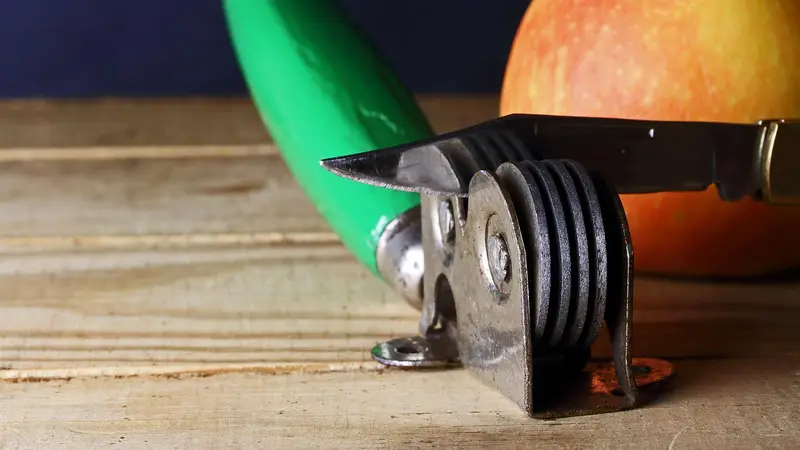
- Knife Wear: Metal surfaces do not yield under impact. While resilient against deep gouging, steel blades dull faster on metal than on soft wood or plastic. Cooks who prefer metal prep surfaces often keep a reliable sharpening routine; understanding the mechanics of using a rolling knife sharpener helps maintain straight edges between prep tasks. You can also read more about how do titanium cutting boards dull knives to balance edge care with easy washing.
- Long-Term Durability: Solid metal surfaces never splinter, crack, rot, or absorb moisture, making them practically permanent tools on the counter.
How to Safely Clean and Sanitize Raw Meat Boards
Proper washing procedures matter just as much as material choice. Even the best surface becomes a food safety hazard if washed incorrectly.
We may earn a commission if you buy through our links, at no extra cost to you.
- Scrape off food solids: Immediately after finishing meat prep, scrape meat scraps and fat into the trash using a bench scraper or spatula.
- Rinse with cool water first: Rinse residual blood with cool water. Hot water can cook protein residues onto the surface, locking them into microscopic grooves.
- Scrub with hot soapy water: Apply dish soap and scrub vigorously with a stiff nylon brush. Avoid wire sponges that scratch plastic or strip oil coatings from wood.
- Apply sanitizer solution: According to University of Minnesota Extension guidance on sanitizing food contact surfaces, a solution of 1 tablespoon unscented liquid chlorine bleach per gallon of water sanitizes washed boards effectively. Spray or wipe the solution over the surface and allow it to stand for two minutes.
- Air dry completely: Stand the board vertically in a drying rack so air circulates across both faces. Stacking wet boards flat traps moisture underneath, promoting bacterial growth.
Dishwasher Safety Considerations
High-temperature dishwashers use 150°F to 170°F water to sanitize surfaces automatically. Plastic and metal boards handle dishwashers well, but wooden boards crack under steam heat and prolonged immersion. If you are considering non-porous metal surfaces for your kitchen, check are titanium cutting boards dishwasher safe to match your washing setup.
Pros and cons of raw meat cutting board materials
Pros
- Plastic surfaces withstand high-heat dishwashers and yield under sharp blades to protect fine cutlery edges.
- Hardwood boards offer natural self-healing fibers that minimize deep gouging when properly conditioned with oil.
- Metal surfaces feature complete non-porosity, preventing meat fluids and aromatic garlic juices from penetrating the face.
Best results when
- Assign separate color-coded prep boards exclusively for raw poultry and red meat to prevent cross-contamination.
- Wash boards immediately after processing protein to prevent juices from drying on the workspace.
- Stand cleaned boards vertically in an open rack so both sides air-dry completely after sanitizing.
Who each material is ideal for
- Plastic boards: Ideal for busy home cooks who want dishwasher-safe convenience, simple replacement options, and soft surface feedback for delicate knife edges.
- Hardwood surfaces: Ideal for culinary enthusiasts who prioritize knife edge longevity, appreciate natural wood aesthetics, and maintain routine mineral oiling schedules.
- Metal surfaces: Ideal for cooks who prioritize rapid hand-rinsing, zero odor retention, and ultra-slim storage after processing raw meat and pungent marinades.
Where Katori titanium cutting board fits
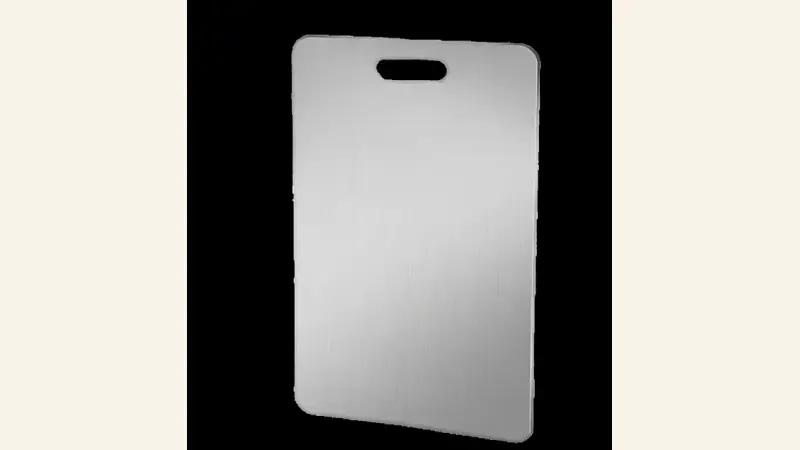
The Katori titanium cutting board offers a smooth, non-porous workspace engineered specifically for rapid cleanup after raw meat and heavy seasoning prep. Because the surface is completely non-porous, garlic, onion, and raw meat juices remain on the face of the board without soaking into internal layers. A quick rinse with hot, soapy water leaves the board clean and ready for storage, eliminating the ongoing oiling routines that wood prep surfaces require.
Designed as a slim metal board, it slides easily into tight drying racks, narrow cabinets, or flat drawer slots. The low-absorption surface makes it ideal for handling pungent raw marinades day after day. If you want a zero-oil surface that cleans up instantly after prepping protein, check out the Katori titanium cutting board offer to see sizing and included features.
For home cooks looking to streamline evening cleanup and eliminate odor buildup in their kitchen workflow, exploring the Katori titanium cutting board details on the official seller page offers a clear view of how this durable metal surface fits daily food prep. If this sounds like what you need, take a look at what Katori titanium cutting board offers.
Sources
- USDA Food Safety and Inspection Service, Cutting Boards and Food Safety. Provides official guidance on selecting, cleaning, and sanitizing cutting boards for raw protein safety.
- Centers for Disease Control and Prevention, Food Safety in the Kitchen. Offers standard protocols to prevent cross-contamination during raw poultry and beef preparation.
Product details come from the seller’s page and can change.
Questions people actually ask
Can raw meat be prepared on wooden cutting boards safely?
Yes, dense hardwoods like maple or walnut are safe for raw meat if washed thoroughly with hot soapy water after every use. Hardwood fibers draw moisture inward where bacteria die as the wood dries. However, wood boards cannot go in the dishwasher and require regular mineral oiling to prevent deep cracking.
How often should plastic cutting boards be replaced?
Plastic cutting boards should be replaced once they develop deep knife grooves or severe discoloration. Deep scars trap meat juices and bacteria that hand scrubbing cannot easily reach. Replacing worn plastic boards ensures your kitchen maintains high sanitation standards.
What is the best way to sanitize a cutting board after cutting raw chicken?
Scrape off food debris and scrub the board thoroughly with hot soapy water. After washing, rinse the surface and spray it with a solution of 1 tablespoon unscented chlorine bleach per gallon of water. Allow it to sit for two minutes before air drying vertically.
Why do non-porous cutting boards help with raw meat prep?
Non-porous cutting boards prevent raw meat fluids, blood, and pungent marinades from penetrating beneath the top surface. Because liquids stay on the face, hot soapy water washes away bacteria and odors completely during standard washing.