The short answer
To get garlic smell out of a cutting board, scrub the wood with coarse salt and half a fresh lemon. The salt lifts sulfur compounds from the pores, and the lemon juice helps neutralize what is left. Wash with mild soap, rinse thoroughly, and stand the board on edge until it is fully dry.
Why garlic odors cling to wood cutting boards
Garlic contains volatile organic sulfur compounds, primarily sulfur-bearing molecules created when crushed garlic cells mix alliinase enzymes with alliin. These hydrophobic compounds do not simply sit on the surface of a board. When a chef chops garlic, juices are pressed into the natural cellular structure of wooden cutting boards under the force of the knife edge.
Wood is a porous matrix of cellulose and lignin fibers. End-grain boards absorb liquids through vertical vessel elements like microscopic straws, while edge-grain and face-grain boards draw liquids horizontally into fine surface knife tracks. Standard liquid dish soap lifts surface fats, but it cannot always break down deep-seated volatile sulfur compounds trapped beneath fine wood fibers. If the board remains unsealed or has dry patches, raw garlic juice penetrates even deeper, creating an odor that re-emerges every time the wood absorbs moisture during future prep work.
Step-by-step methods: How to get garlic smell out of cutting board wood
Removing pungent odors from wood requires a balance between mechanical friction and mild chemical neutralization. Strong industrial chemicals can warp timber or leave toxic residues, while soft sponges merely slide across knife grooves without pulling out trapped sulfur oils.
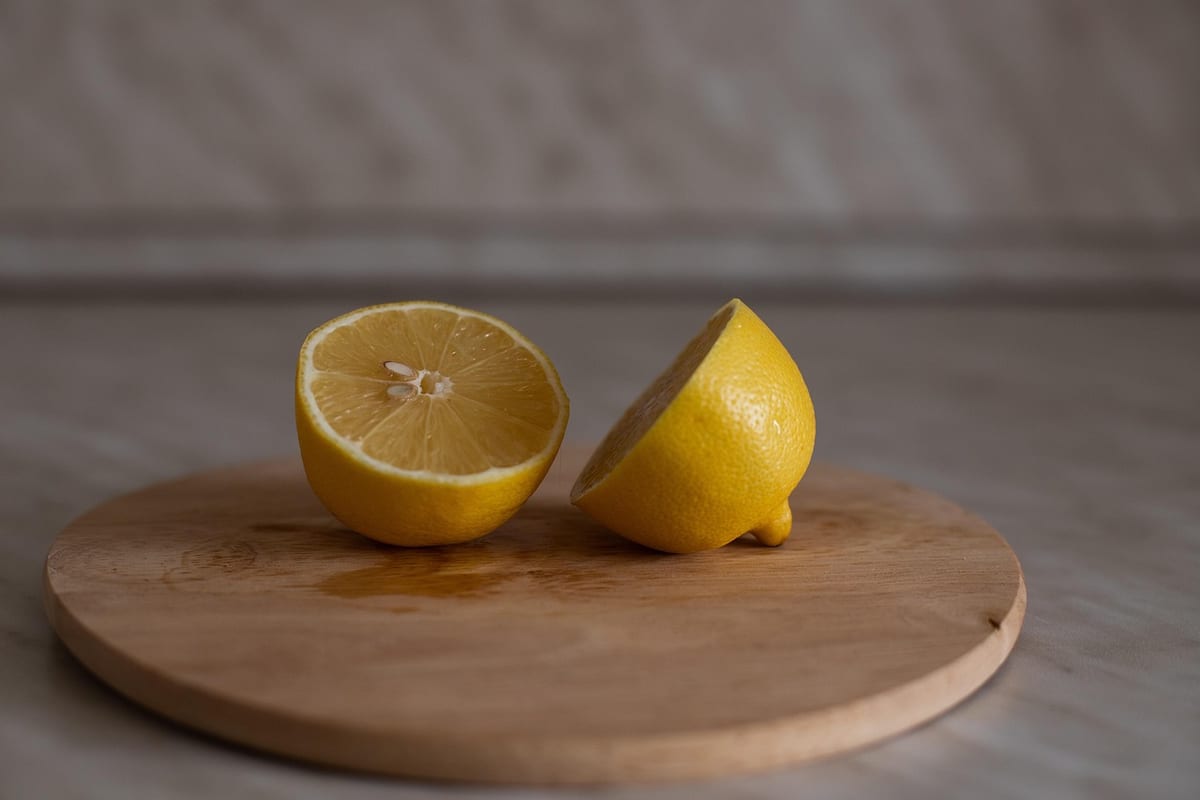
This classic combination remains the most effective natural remedy for wooden prep surfaces. Coarse kosher salt acts as a mild abrasive that reaches into shallow knife marks without scratching hardwoods like maple, walnut, or cherry. Fresh lemon juice supplies citric acid, which alters the pH environment and breaks down odorless precursors and pungent sulfur compounds.
- Clear the surface: Wash the board with warm water and mild dish soap to remove loose food debris and surface oils. Towel dry slightly so the board is damp, not soaking wet.
- Apply the abrasive: Generously sprinkle coarse kosher salt or sea salt across the entire surface. Avoid fine table salt, as its smaller granules dissolve too quickly when exposed to moisture.
- Scrub with citrus: Cut a fresh lemon in half. Pressing down firmly, use the cut side of the lemon as a scouring pad, working in circular motions across the grain, then along the grain. Squeeze the lemon gently as you scrub to release fresh juice, creating a thick, slushy paste with the salt.
- Rest: Allow the salt and lemon mixture to sit on the board surface for 5 to 10 minutes. The salt draws out moisture from deep pores, bringing trapped odor compounds with it.
- Rinse and dry: Scrape away the dirty salt slush using a bench scraper or spatula. Rinse the board under lukewarm running water, wipe dry with a clean cloth, and set it upright on its edge to air dry completely.
Method 2: Baking soda paste for deeply embedded smells
When garlic oil has sat in dry wood fibers overnight, citric acid alone may not neutralize the stench. Sodium bicarbonate (baking soda) acts as a weak base that absorbs organic acids and neutralizes volatile aromatic oils through mild chemical bonding.
- Mix the paste: Combine three tablespoons of baking soda with one tablespoon of warm water in a small bowl until it forms a thick, spreadable paste.
- Coat the wood: Spread the paste evenly across the smelly regions of the cutting board using a soft cloth or clean sponge.
- Work into grooves: Rub the paste into knife scars using moderate pressure. For severe odors, sprinkle a thin layer of dry baking soda over the paste to increase physical friction.
- Dwell time: Leave the paste on the surface for 15 to 20 minutes. As the baking soda dries slightly, it pulls moisture and volatile odor molecules out of the wood grain.
- Rinse: Wipe off the dry paste with warm water, scrub briefly with a soft dish brush, rinse thoroughly, and stand the board vertical while drying.
Skip general household cleaners on a wood board. Sprays meant for counters or glass can strip the mineral oil that keeps garlic juice from soaking in.
Method 3: Food-grade hydrogen peroxide rinse
For stubborn smells combined with raw meat or garlic cross-contamination, a 3% food-grade hydrogen peroxide solution offers safe oxidation. Peroxide breaks down organic compounds without releasing harsh fumes or leaving chemical residues behind.
- Clean first: Wash board surfaces with hot soapy water to strip surface grease.
- Apply peroxide: Pour or spray standard 3% hydrogen peroxide directly onto the dry wooden surface. It will foam slightly as it interacts with residual organic material and catalase enzymes.
- Wait: Allow the solution to foam and sit for roughly 5 minutes.
- Rinse: Scrub gently with a nylon brush, then rinse clean under warm tap water and dry completely.
How board maintenance prevents lingering odors
Preventing garlic smell from soaking into cutting boards depends almost entirely on how well the wood is conditioned. Dry, un-oiled wood acts like a dry sponge, eagerly absorbing whatever liquid lands on its face.
Sanding down damaged wood fiber
Over months of daily food preparation, sharp knives leave hundreds of tiny gouges across the board face. These micro-fissures hold onto raw garlic juice and block surface scrubs from reaching the trapped oil. When deep gouges occur, refinishing the board face restores a smooth, easy-to-clean plane.
- Dry completely: Ensure the wood is thoroughly dry for at least 48 hours before sanding.
- Sand coarse to fine: Use an orbital sander or manual sanding block with 120-grit sandpaper to remove deep knife tracks. Follow up with 180-grit and finish with 220-grit sandpaper to smooth out raised wood fibers.
- Clear dust: Wipe the board clean with a damp microfiber cloth to remove fine sawdust before applying fresh oil.
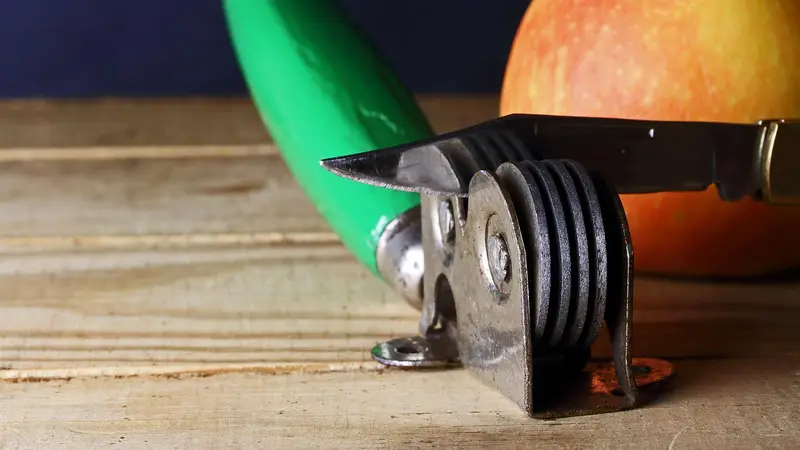
Maintaining knife edges properly reduces deep gouges in the first place. Dull knives require heavy downward force that crushes wood grain, whereas sharp blades slice cleanly through fibers. A rolling knife sharpener is one way to keep a kitchen edge in shape, and a sharp blade is easier on the board.
Re-seasoning with mineral oil and beeswax
Once the wood is smooth and odor-free, building a moisture barrier keeps smelly liquids on top of the board where they wash off effortlessly.
- Apply food-grade mineral oil: Pour heavy mineral oil generously over the board. Rub it into all surfaces, including edges and sides, using a paper towel or cotton rag. Continue adding oil until the wood stops absorbing it.
- Rest overnight: Allow the oil to soak into the cellular structure of the wood overnight.
- Seal with wax: Apply a commercial board cream or home mixture of melted beeswax and mineral oil. The wax hardens near the surface pores, creating a hydrophobic layer that repels water and aromatic oils.
Home cooks who are tired of wood maintenance sometimes look at metal boards instead. A titanium board will not absorb garlic juice, but titanium cutting boards dull knives faster than wood, and you should check whether they are dishwasher safe before you switch. A dishwasher cycle will also ruin a wooden board.
What to avoid when cleaning a smelly wooden board
Improper cleaning habits can permanently ruin high-quality wooden cutting boards or leave toxic chemical residues behind.
- Avoid chlorine bleach: Undiluted household bleach breaks down lignin bonds holding wood fibers together, causing fuzzy surface textures, cracking, and structural failure over time. Bleach can also react with residual garlic compounds to create off-putting chemical fumes.
- Never soak wood in water: Submerging a wooden board in a sink of soapy water forces water deep into the core. As the wood absorbs moisture, it expands, causing gluelines to fail and solid slabs to cup, warp, or split.
- Never run wood through the dishwasher: High heat combined with harsh detergent and extended water exposure destroys wood cutting boards within a single cycle.
- Avoid vegetable or olive oils: Standard cooking oils will oxidize and turn rancid over time inside wood grain, replacing the garlic smell with a stale, sour grease odor.
The USDA Food Safety and Inspection Service recommends washing cutting boards with hot, soapy water after each use, then rinsing and letting them air-dry. It also advises using a separate board, or a non-porous one, for raw meat and poultry so those juices are easier to clean up.
The University of Maine Cooperative Extension similarly warns against soaking a wooden board, notes that many glued or laminated boards will crack in the dishwasher, and lists white vinegar or 3% hydrogen peroxide among household options after the board has been washed.
Pros and cons
Pros:
- Natural methods preserve wood: Salt, lemon, and baking soda clear smelly compounds without breaking down natural wood glues or drying out fibers.
- Budget friendly: Most deodorizing remedies use everyday pantry supplies costing pennies per treatment.
- Restores board function: Removing sulfur oils prevents flavor transfer to delicate fruits, cheeses, and bread.
- Everyday kitchen ingredients: Salt, lemon, and baking soda are common pantry staples and do not leave a harsh chemical film when the board is rinsed well.
Good to know:
- A firm scrub works best: A neglected board may want a second salt-and-lemon pass, or a baking-soda paste, before the smell fully lifts.
- Re-oil after citrus: A light coat of food-grade mineral oil puts a moisture barrier back on the wood after a lemon scrub.
- Hand-wash and stand to dry: Wood stays happier when you wash it by hand, rinse well, and stand it on edge until it is fully dry.
Who it’s ideal for
- Home cooks with wood or bamboo boards: Anyone using butcher blocks, edge-grain maple, or end-grain walnut boards that have picked up pungent sulfur smells.
- Cooks preparing delicate foods: People who notice garlic flavor transferring into sliced apples, bread, or mild cheeses during meal prep.
- Anyone willing to spend a few minutes on care: A short scrub, a thorough dry, and a little oil keep a good wooden board in shape.
- Cooks who want an easier cleanup: A smooth, non-porous titanium board rinses with hot, soapy water and does not need the lemon-and-salt routine.
A plastic or composite board usually comes clean with hot, soapy water. If a wooden board is badly cracked or warped, replacing it is the cleaner long-term move.
Where Katori fits
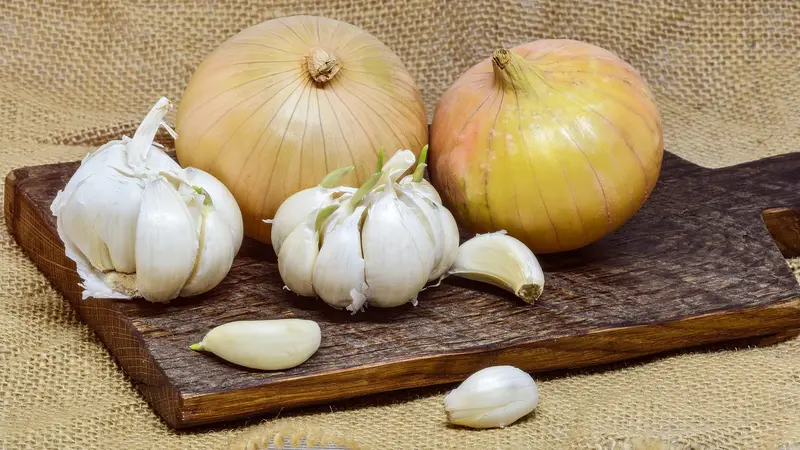
A wood board holds garlic and onion smell because the juices soak into the grain. A titanium board is a smooth, non-porous metal face, so those juices stay on the surface and wash off with hot, soapy water. You can skip the coarse-salt scrub, the baking-soda paste, and the re-oiling that wood wants after citrus.
We may earn a commission if you buy through our links, at no extra cost to you.
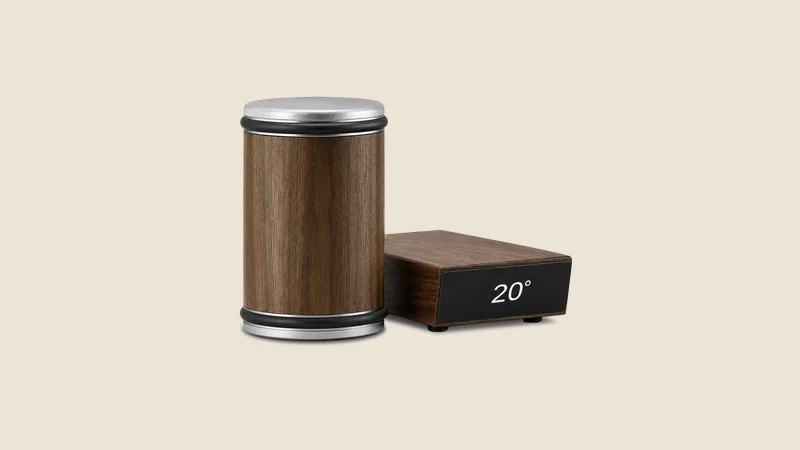
Katori is a titanium cutting board with a low-absorption surface for simple, repeatable cleanup. It rinses clean after pungent prep, stores in a slim profile, and does not need an oiling routine. The guide on titanium cutting boards covers why a smooth metal surface is so easy to wash. If leftover garlic smell is why you are here, see the current Katori offer.
Sources
- USDA Food Safety and Inspection Service, “Cutting Boards”. Last updated August 27, 2024. The page covers washing with hot, soapy water, air-drying, and using a separate board for raw meat and poultry.
- Gulsun Akdemir Evrendilek, “Safe Cutting Boards: Materials, Usage, and Cleaning Tips,” University of Maine Cooperative Extension, Bulletin #3108. The bulletin advises against soaking wood, cautions that many wooden boards do not belong in the dishwasher, and mentions vinegar or 3% hydrogen peroxide as household follow-up options after washing.
Product details come from the seller’s page and can change.
Questions people actually ask
Why does my cutting board still smell like garlic after washing with dish soap?
Dish soap cleans surface oils but often fails to reach volatile sulfur compounds absorbed deep inside wood pores. Garlic juices penetrate micro-fissures created by knife marks. Using an abrasive like coarse salt combined with lemon juice or baking soda helps draw those trapped aromatic oils out of the wood grain.
Can I use white vinegar to get garlic smell out of a wooden cutting board?
Yes, white vinegar is an effective odor neutralizer for wooden boards. Spray full-strength white distilled vinegar onto the surface, let it sit for five minutes, and wipe clean. However, a salt and lemon scrub provides superior mechanical abrasion for deep smells.
Will salt and lemon ruin the finish on my wood cutting board?
Salt and lemon will strip surface food-grade mineral oil, but they will not damage the wood structure if done properly. After using citrus and salt to remove odors, rinse the board, dry it thoroughly, and reapply food-grade mineral oil to restore its moisture barrier.
How do I prevent garlic odors from soaking into my board next time?
Keep your wooden cutting board well-seasoned with food-grade mineral oil and beeswax cream. A fully saturated wood grain prevents garlic juices from penetrating into the cellular structure. You can also dedicate one plastic board strictly for pungent items like garlic and onions.