The short answer
To remove moss from patio without pressure washer setups, apply a mild killer solution like oxygen bleach or diluted vinegar, scrub the surface thoroughly with a stiff-bristle deck broom, and rinse away loosened growth using a standard garden hose. Scrubbing breaks moss root attachments, while targeted rinsing clears debris cleanly without blowing sand out from between pavers.
Why moss thrives on shady outdoor surfaces
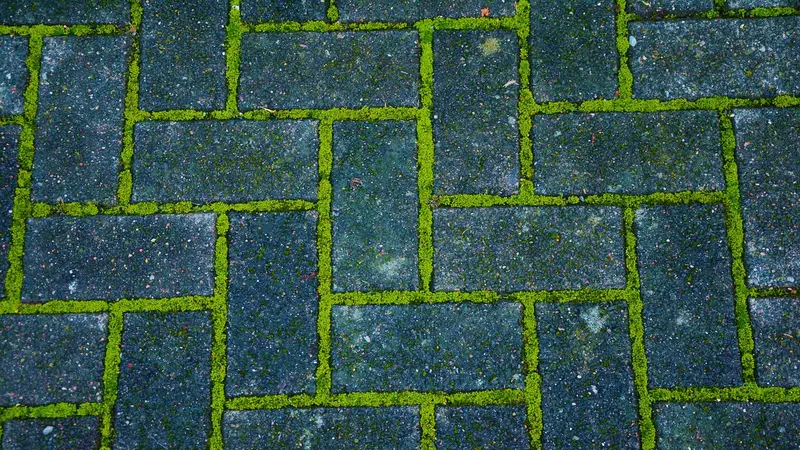
Moss grows where moisture accumulates and sunlight stays limited. Unlike vascular garden plants, moss lacks true roots and extracts moisture directly through small leaf structures. Damp, shaded patio pavers, concrete slabs, and brick walkways create ideal conditions for airborne spores to settle and form thick green carpets.
North-facing patios or outdoor living areas shadowed by dense tree canopies, privacy fencing, or low roof overhangs stay damp longer after rain showers. Over time, organic debris like fallen leaves and airborne dirt collects in paver joints, trapping additional moisture and providing organic nutrients. Left unchecked, moss creates a slippery walking surface, retains standing water against hardscaping, and gradually displaces polymeric joint sand.
Using high-pressure machinery is not always ideal for every patio surface. High-pressure water blasts can erode soft concrete finish, chip vintage clay bricks, and dislodge essential stability sand between paver joints. Manual removal paired with a focused, controlled rinse keeps structural joints intact while clearing unwanted surface growth effectively.
Materials you need for manual moss removal
Gathering the proper cleaning supplies before starting ensures quick and effective cleaning without unnecessary trips to the shed.
- Stiff-bristle deck broom or wire scrub brush: Select a broom with rigid synthetic or wire bristles capable of scraping away stubborn root mats without gouging the hardscape.
- Garden sprayer or large bucket: A 1-gallon pump sprayer makes even application of liquid solutions simple across broad patio areas.
- Cleaning solution: Choose between oxygen bleach, household white vinegar, or liquid dish soap diluted in warm water.
- Standard garden hose: A reliable water supply clears loosened debris and neutralizes lingering cleaning mixtures.
- Safety gear: Put on sturdy work gloves and eye protection to guard against splashes while scrubbing.
Proper tool maintenance keeps equipment functional season after season. Taking time to clean, dry, and learn how to store garden tools prevents rust on metal components and extends broom bristle life.
How to remove moss from patio without pressure washer
Clearing green growth by hand relies on a clear chemical-mechanical combination: loosening the moss bond, scrubbing the surface, and sweeping away residue.
We may earn a commission if you buy through our links, at no extra cost to you.
Step 2: Apply your chosen cleaning solution
Saturate the mossy patches evenly with your selected cleaner using a pump sprayer or bucket. Ensure the liquid solution penetrates deep into the moss cushions down to the paver joints. Allow the liquid to dwell for 15 to 20 minutes. Keep the area moist during this timeframe so the chemical action breaks down the cell walls of the growth.
According to research from Penn State Extension, disrupting moss requires altering moisture levels and applying targeted controls while avoiding damage to surrounding lawn turf or ornamental garden plants.
Step 3: Scrub with a stiff deck broom
Apply firm downward pressure using your stiff-bristle deck broom. Work in tight circular motions across paver edges and along joints to dislodge stubborn roots. For deeply embedded patches in tight corners or along steps, use a hand-held stiff scrub brush. The combination of chemical softening and mechanical agitation easily detaches moss from porous surfaces.
Step 4: Rinse away residue with a targeted hose stream
Rinse the scrubbed patio thoroughly from one end to the other. Direct the water flow across joints rather than straight down to keep inter-paver sand in place. Learning techniques for cleaning patio pavers with a garden hose helps wash away heavy organic slush cleanly without creating muddy puddles.
Step 5: Let the surface dry completely
Allow the patio surface to dry fully under ambient air. Sunlight and drying conditions prevent surviving spores from taking root again immediately.
Comparing natural and chemical cleaner options
Different patio materials respond best to specific cleaning agents. Choosing the right liquid match protects stone surfaces while neutralizing biological growth.
Oxygen bleach (Sodium percarbonate)
Oxygen bleach is one of the safest and most effective choices for outdoor stone and concrete. Mixed with warm water, it releases oxygen bubbles that lift organic stains and kill moss spores without bleaching surrounding lawn turf or damaging mortar. It is non-toxic to soil bacteria when fully diluted.
White vinegar solution
Diluted household vinegar (5% acetic acid) or agricultural vinegar (10-20%) dries out moss rapidly by breaking cell membranes. Vinegar works well on flagstone and concrete pavers, but avoid using strong acid mixtures on unsealed limestone or marble, as acidic solutions can etch natural calcite stone over time. Guidelines from the US EPA recommend choosing low-impact methods for household outdoor cleaning to minimize runoff into local storm drains.
Mild dish soap and hot water
For light moss dusting or delicate decorative pavers, mix two tablespoons of liquid dish soap into a bucket of hot water. Scrubbing with warm soapy water breaks surface tension and clears early growth without harsh chemical runoff.
For routine maintenance across various outdoor cleaning tasks, understanding how garden hose pressure nozzles direct water can improve rinsing efficiency after applying non-toxic soaps.
Where Jetterix fits
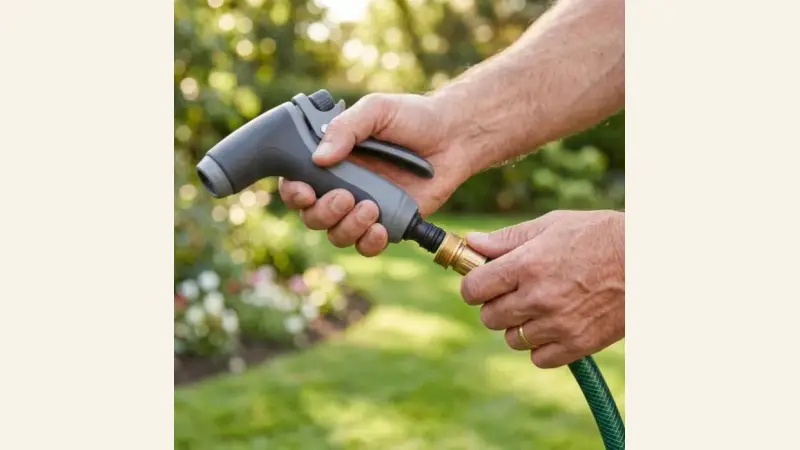
For rinsing away heavy moss slurry, organic film, and loosened soil without dragging out heavy electrical equipment, the Jetterix hose attachment provides a powerful, convenient solution. The device attaches directly to any standard garden hose, instantly converting everyday household water supply into a focused, high-impact rinse stream. Because it relies entirely on existing water pressure and requires no power cords or gas tanks, you can clean remote patio corners, garden steps, outdoor furniture, and siding effortlessly.
The adjustable nozzle on Jetterix allows you to transition smoothly from a wide fan spray for sweeping away large areas of scrubbed debris to a tight stream for targeted line cleaning along paver joints. Using a focused attachment like Jetterix eliminates the need for expensive rental machines while giving you total control over water placement. Discover how this stream booster works by reviewing the Jetterix current offer and product features.
Adding an easy-to-use hose stream tool streamlines seasonal patio prep, driveway rinses, vehicle washes, and lawn tool cleanup. To upgrade your outdoor routine without setting up bulky machinery, explore the Jetterix hose nozzle details for full ordering details and package options. If this sounds like what you need, take a look at what Jetterix offers.
Pros and cons
Pros
- No machinery required: Clears shade-loving moss using simple hand tools, standard garden hoses, and accessible cleaning solutions.
- Protects hardscape integrity: Manual scrubbing prevents sand washout and preserves delicate paver jointing, mortar, and stone surfaces.
- Cost-effective patio care: Uses low-cost household solutions like oxygen bleach, vinegar, or mild soaps without requiring equipment rentals.
- Eco-friendly options: Oxygen bleach and mild soap mixtures break down cleanly without leaving harsh chemical residues in nearby soil.
Best results when
- Applied on dry, overcast days so cleaning solutions remain damp on the patio long enough to penetrate moss structures.
- Paired with regular joint sand top-offs to eliminate moist gaps where windblown spores settle.
- Rinsed with a steady, directed garden hose stream that moves organic slurry off the surface cleanly.
Who it’s ideal for
This manual removal approach is ideal for homeowners with shaded patios, flagstone walkways, or delicate brick surfaces who prefer quick, low-noise cleaning without renting expensive pressure washers or risking sand displacement. It suits anyone looking for a practical, low-impact outdoor routine using standard garden tools.
Long-term tips to keep moss from returning
Preventing moss recurrence reduces the need for frequent heavy scrubbing. Simple yard maintenance habits keep outdoor hardscapes bright and dry year-round.
- Trim overhanging tree branches: Prune low branches above the patio to increase sunlight exposure and promote faster drying after rain.
- Improve surface drainage: Ensure downspouts direct rainwater away from patio edges so water does not pool in shaded corners.
- Sweep regularly: Remove fallen leaves, pollen, and dirt weekly so organic matter cannot accumulate in paver joints.
- Fill paver joints with polymeric sand: Polymeric sand hardens when cured, creating an impenetrable barrier against moss root systems.
- Winterize outdoor water fixtures: Before cold weather arrives, complete proper steps for winterizing your outdoor garden hose to protect nozzles and hoses from freeze damage.
Sources
- US EPA, Safe Pest Control Practices. Supports low-impact household pesticide and outdoor cleaning guidance.
- University of Minnesota Extension, Yard and Garden Care. General reference for outdoor landscape and hardscape maintenance.
- US Department of Agriculture (home page). General guidance on sustainable outdoor home care practices.
Product details come from the seller’s page and can change.
Questions people actually ask
Can I use boiling water to kill moss on a patio?
Yes, pouring boiling water directly over moss scaldingly damages its tissue and kills small patches quickly. After applying boiling water, scrub the dead moss with a stiff broom and rinse the patio clean. Note that boiling water only kills current growth and does not prevent future spores from colonizing.
Does baking soda remove moss from concrete or pavers?
Baking soda elevates surface pH and can dehydrate moss when sprinkled generously over damp growth. Leave it on for 24 hours, scrub the area thoroughly with a deck broom, and rinse with clean water. It works best for small spot treatments rather than large patio surfaces.
Will vinegar ruin patio pavers or mortar?
Standard household vinegar is safe for sealed concrete and brick pavers when rinsed promptly. However, undiluted high-strength vinegar can etch unsealed limestone, travertine, or marble, and repeated exposure can weaken mortar joints. Test a small hidden spot before applying acidic solutions broadly.
How often should I treat a shaded patio for moss?
Most shaded outdoor patios require spot treatments once or twice a year, typically in early spring and autumn when moisture levels are high. Regular sweeping and keeping paver joints filled with sand lengthens the time between thorough scrubbings.