The short answer
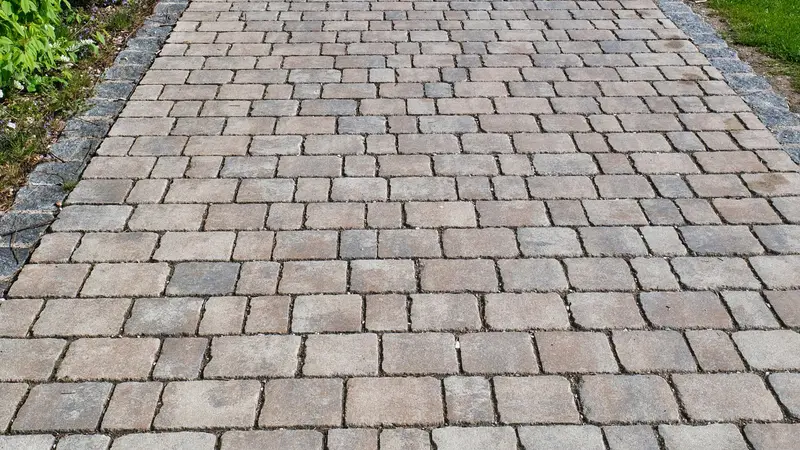
Sweep the patio dry. Wet it. Scrub it in sections with a stiff plastic brush and a bucket of water with a little mild detergent. Rinse with a wide spray held low and aimed across the pavers, toward the edge where water already drains. Let it dry, then sweep sand back into any joint that came up short.
That handles dust, pollen, mud, and most of the gray film on a patio that gets used. It does not dissolve set-in oil, and it does not fix moss that keeps coming back because the spot is shady and damp. The hose is the rinse. The brush does the cleaning. Anyone selling the hose as the whole answer is selling the nozzle.
What a hose can and cannot do
A garden hose brings whatever pressure your house has. A nozzle shapes that water into a fan or a narrower stream. It does not add a pump. The garden hose nozzle guide goes through what that means in practice: a nozzle aims the water you already have, which is plenty to carry loosened dirt off a patio and not enough to peel off anything that has gripped the surface.
That limit is also the point. The Concrete Masonry and Hardscapes Association’s tech note on cleaning interlocking concrete pavement describes the do-it-yourself version for residential patios and walks plainly: apply the cleaner by hand, scrub, then rinse thoroughly with water from a garden hose. No machine required for a small area.
What water alone moves:
- Dust, pollen, and the crumbs of a weekend.
- Mud that has dried on top, after it is wet long enough to soften.
- Soap and loosened grime you have already scrubbed free.
What water alone leaves:
- Moss and algae holding on in the joints.
- Oil, grease, and rust that have soaked into the surface.
- White haze on newer concrete pavers, which is a deposit, not dirt.
What you need
- A hose and a nozzle with a wide fan setting. A shut-off at the handle saves water while you scrub.
- A stiff brush. Plastic or brass bristles. CMHA says steel bristles are not recommended because they break off, rust, and leave stains.
- A bucket and a mild detergent. Ordinary dish soap is what most people already have.
- Dry joint sand, to top off any joint that loses some during the rinse.
- Old sheets or plastic bags if you will use anything stronger than soap near plants.
If you already keep one concentrate for most of the house, check that its label names outdoor stone before you pour it on a patio. The guide to cleaning tablets and refill sprays makes the same argument indoors: the cleaner has to match the surface, not the room.
How to clean pavers with a hose, step by step
1. Clear and sweep it dry
Move the chairs, the grill, and the planters. Sweep leaves, grit, and acorns while everything is dry. Wet leaves smear, and grit under a brush acts like sandpaper.
2. Wet the pavers
Give the whole patio an even soak with the fan setting. Concrete is porous. A dry paver drinks the soapy water. A damp one keeps it on the surface, where you can scrub it off.
3. Soap one section at a time
Work an area you can scrub before it dries, starting from the high side or from the house outward. On a hot afternoon, that area is small. Early morning or an overcast day gives you more time and fewer soap streaks.
4. Scrub across the joints
Push the brush across the pavers and diagonally over the joints. Long strokes straight down a joint line dig sand out. Let the soap sit a few minutes on the dirtiest patches, but do not let it dry.
5. Rinse low and wide
Switch to the widest fan. Keep the nozzle low and pointed across the surface, not straight down. Push the dirty water toward the edge that already drains, away from the foundation and, if you can manage it, away from the flower beds. Rinse until the water running off is clear.
6. Let it dry, then look
Check the patio the next day, not while it is wet. Wet concrete hides streaks and missed spots. CMHA suggests letting cleaned pavers dry at least 24 hours before judging the results of a cleaner.
Moss, oil, and the white haze
Moss and algae
Water slides over moss. Scraping and scrubbing removes it. An Ask Extension answer on removing moss from concrete adds two points worth keeping: protect nearby plants before you use any household treatment, and remove every bit of moss the rinse leaves behind, because what stays holds water and gives new moss a start. The same answer is blunt about the cause. If the spot is shady and damp, the conditions that grew the moss are still there after you clean it.
If moss is the whole problem, it is its own job. A guide on moss without a pressure washer is listed as upcoming on the outdoor shelf.
Oil and grease
Fresh drips from a grill come up more easily than old ones. Blot or cover a fresh spot with an absorbent, sweep it up, then scrub with detergent and rinse. A black patch that has been there all summer is no longer sitting on top. That is a job for a cleaner labeled for concrete pavers, tested on a hidden spot first, or for a careful pressure washer on a setting that will not mark the surface.
The white haze on newer pavers
A powdery white film on concrete pavers is usually efflorescence. CMHA explains that it forms when calcium hydroxide in the concrete moves to the surface and reacts with carbon dioxide in the air. It does not affect the strength or durability of the pavers, and much of it can wear away over months. Scrubbing harder will not settle it for good. If you want it gone sooner, CMHA points to a remover made for concrete pavers, used exactly as its label says, with gloves and eye protection.
Keep the sand in the joints
The sand between pavers is not decoration. It locks them together. Wash it out and the pavers can shift, rock underfoot, and leave gaps that weeds move into.
Three habits protect it. Keep the spray wide. Keep the nozzle low. Aim across the pavers, never straight down a joint. If you see sand moving in the runoff, back off before the joint empties.
When the patio is fully dry, sweep fresh joint sand into any joint that sits low, and follow the sand bag’s directions for setting it. A just-cleaned patio is also the natural moment to decide on a sealer or a joint stabilizer. CMHA notes that cleaning comes first, and that products made specifically for concrete pavers give the best results.
Pros and cons
Pros
- Little risk of scarring the surface or blowing out the joints.
- No machine to rent, fuel, or store.
- Uses a brush, a bucket, and soap you probably own.
- Easy to keep runoff away from beds and the foundation.
Good to know
- A hose-and-brush cleaning is a steady, section-by-section job. Give a large patio a little more time, and the result is still a gentle wash that protects the joints.
- For set-in oil, rust, or thick moss, add the right cleaner and a short dwell time, then rinse. The hose finishes the job you started with the brush.
- Spray strength follows your house’s water pressure. A focused nozzle helps you use that pressure well.
Who it’s ideal for
This is for a homeowner with an ordinary paver patio or walk that is dirty rather than damaged: pollen in spring, leaves in fall, a summer of shoes and spilled drinks. An Ask Extension answer on moss on a patio suggests a stiff brush and a hose, once in early spring and once in late fall. That rhythm is about right for most yards.
If pavers are loose or the joints are already empty, fix that first, then clean. A focused hose rinse is still a good regular habit on a larger patio when you work in sections.
Where Jetterix fits
If you want a more focused rinse from the hose you already own, Jetterix is a hose-end attachment designed for that job. It fits a standard garden hose, uses no electricity and no separate machine, and is built for patios, vehicles, siding, furniture, and tools. A tighter stream helps you finish the rinse faster after you have already brushed the pavers.
We may earn a commission if you buy through our links, at no extra cost to you.
See the current Jetterix offer for the package, price, and return terms.
Sources
- Concrete Masonry and Hardscapes Association, “Cleaning, Sealing and Joint Sand Stabilization of Interlocking Concrete Pavement” (Tech Note PAV-TEC-005). Hand scrubbing and garden-hose rinsing for small areas, the warning against steel-bristle brushes and strong acids, and the explanation of efflorescence.
- Ask Extension, “Moss removal from concrete”. Protecting plants, removing all remaining moss, and why moss returns.
- Ask Extension, “Patio lichen removal”. A stiff brush and hose, cleaned in early spring and late fall.
Product details come from the seller’s page and can change.
Questions people actually ask
Can I clean patio pavers with just a garden hose?
For dust, pollen, and loose dirt, often yes. For anything stuck to the stone, the hose is only the rinse. A stiff brush and a mild detergent do the cleaning, and the hose carries the mess away.
Will a garden hose wash out the joint sand?
It can, if you hold a tight stream close and aim it straight down a joint. Use a wide pattern, keep the nozzle low, and spray across the pavers. If some sand still moves, sweep new joint sand in once the patio is dry.
What should I clean concrete pavers with?
Start with water, a mild detergent, and a stiff plastic or brass brush. The Concrete Masonry and Hardscapes Association warns that cleaners with strong acids can change the color of pavers, so test anything stronger on a small, hidden area first and follow its label.
What is the white haze on new pavers?
Usually efflorescence, a calcium carbonate deposit that moves up out of the concrete. CMHA says it does not affect strength or durability and often wears away over months. If you need it gone sooner, use a remover made for concrete pavers, as directed on the label.
Can I use a wire brush on pavers?
No. CMHA advises against steel bristles because loose bristles rust and leave stains. Plastic or brass bristles are fine.