The short answer
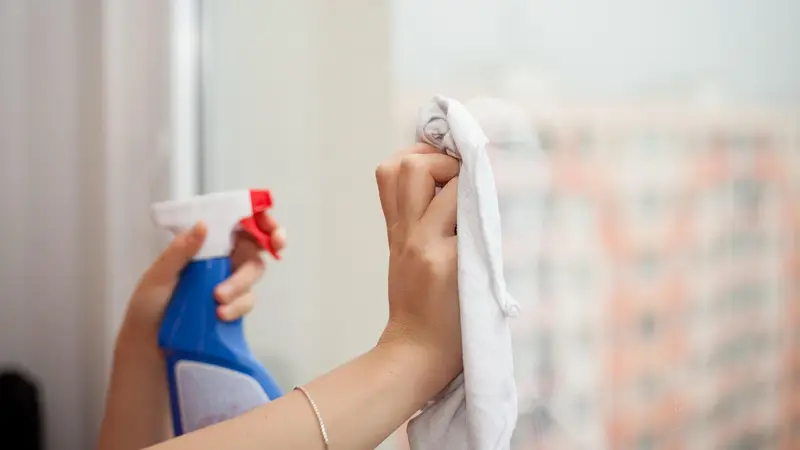
To clean high indoor windows without a ladder, attach a microfiber washer and a squeegee to an extension pole, wet the glass with a mild cleaning solution, and squeegee from the top down in overlapping strokes. For large, smooth panes you clean often, a suction-mounted window-cleaning robot does the reaching for you while you stay on the floor.
Check the window before you start
A few minutes of planning saves a lot of reaching. Stand back and look at the glass you need to clean:
- Height and width. Measure roughly from the floor to the top of the pane so you can pick a pole that reaches with your arms in a comfortable position, not fully stretched overhead.
- Glass type. Large, smooth panes are the easiest case for both pole tools and robots. Divided-light windows with muntins need a smaller washer pad to get into the corners.
- What is between you and the glass. Move furniture, plants, and lamps out of the way so you can stand close and look straight up.
- Condition. Note any cracked glass or loose glazing and leave those panes alone until they are repaired.
Tools for cleaning high windows without a ladder
You do not need a closet of gear. A short, well-chosen kit handles almost every interior window:
- Extension pole with a threaded tip, long enough to reach the top of your highest pane.
- Microfiber strip washer (also called a sleeve or scrubber) to wet and loosen dust.
- Squeegee that fits the same pole, ideally with a swivel head so you can keep the blade flat to the glass from below.
- Microfiber pad or flat mop head for drying edges and frames.
- Bucket or spray bottle with a mild cleaning solution.
- Old towels to protect the sill and floor from drips.
For the solution, plain warm water with a few drops of dish soap is enough for most dusty indoor glass. If you prefer a mix you can keep on hand, our guide to making a reusable all-purpose cleaner includes a glass-friendly variation. Another simple route is one refillable bottle and concentrate; this overview of whether cleaning tablets can replace spray bottles explains how that setup works, and if you are trimming the clutter under the sink, see how to stop buying cleaning sprays.
How to clean high indoor windows step by step
Step 1: Dust the frame and sill first
Run a dry microfiber pad on the pole along the top of the frame and the sill. Dry dust turns into muddy streaks the moment it meets your cleaning solution, so removing it first keeps the glass cleaner and your washer pad lasting longer.
Step 2: Wet the glass with the washer
Dip the strip washer in the solution, squeeze out most of the liquid, and attach it to the pole. Work from the top of the pane down, scrubbing lightly side to side. A damp washer is better than a dripping one indoors; it loosens dust and fingerprints without soaking the sill.
Kitchen windows often carry a light film of cooking grease. Give those panes a second pass with the washer, the same way you would treat greasy kitchen counters, before you squeegee.
Step 3: Squeegee from the top down
Swap the washer for the squeegee. Start at the top corner, press the blade flat against the glass, and pull straight down in one steady stroke. Wipe the blade on a towel, then start the next stroke so it overlaps the last one slightly. Repeat across the pane. A swivel head makes it much easier to keep even pressure when the window is well above your head.
Step 4: Detail the edges
Water tends to collect along the frame and bottom edge. Put a dry microfiber pad on the pole and press it along the edges and corners to lift the last line of water. Wipe the sill with a towel as you finish each window.
Getting a streak-free finish from the floor
Most streaks come from three things: too much soap, a dirty blade, or glass that dries before you wipe it. Keep these habits and high windows look clear from any angle:
- Use less soap than you think. A few drops per bucket is plenty for indoor glass.
- Keep the blade clean. Wipe it after every stroke, and replace a nicked rubber blade.
- Mind the sun. Clean windows that are in shade or on an overcast day so the solution does not dry mid-stroke.
- Check from a different angle. Step to the side and look at the glass against the light; missed spots show up immediately and are easy to touch up with the dry pad.
Stay safe while you work
Keeping your feet on the floor is the biggest safety win. The U.S. Consumer Product Safety Commission notes that falls from ladders can cause injuries ranging from bruises to fractures, and that older adults face a higher risk, so a pole or robot is a smart choice for anyone who would rather not climb.
A few floor-level habits still matter. Wear shoes with good grip, keep the bucket and cords out of your path, and dry drips on hard floors right away. Look up before you extend a long pole so you do not hit a ceiling fan or light fixture. If you use a store-bought cleaner, follow the label and open a window for fresh air; the EPA explains that many household cleaning products release volatile organic compounds while you use them and recommends good ventilation.
Let a window-cleaning robot do the reaching
If you have tall, smooth panes you clean regularly, such as a two-story living room window or a wall of glass by the stairs, a window-cleaning robot turns a pole workout into a guided chore. You place it on the glass, it holds on by suction, and it cleans while you stand back. Our breakdown of whether window cleaning robots are worth it covers the kinds of glass they suit best.
We may earn a commission if you buy through our links, at no extra cost to you.
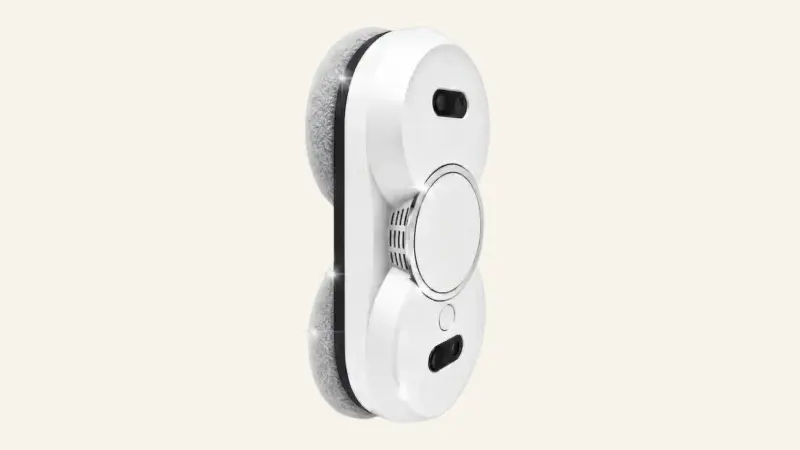
Why the Qinux Windobotz makes high windows easier
The Qinux Windobotz is built for exactly the panes that are hardest to reach. Its suction holds the unit firmly on the glass, a dual water spray wets the surface, and its wiping pads clean away dust and fingerprints as it moves. You steer the run with a remote, so you can guide it to the top of a tall window without climbing anything.
What makes it a great fit for high windows:
- No ladder for routine cleaning. It handles the regular light wipes that keep big windows clear, so the pole comes out only for the occasional detail job.
- Spray and wipe in one pass. The built-in water spray and pads mean no bucket to carry from window to window.
- Remote control from the floor. You direct the robot from where you stand, which is ideal for panes well above head height.
- Made for smooth indoor glass. Large picture windows, floor-to-ceiling panels, and glass doors are where it shines.
If tall windows are the chore you keep putting off, see the current Qinux Windobotz offer and make ladder-free cleaning part of your routine.
Who it’s ideal for
The pole method suits anyone with a few high panes and a little time on a weekend. The Windobotz is ideal for homeowners with large, smooth windows they want to keep clear year-round, for renters who cannot install permanent hardware, and for anyone who would rather keep both feet on the floor. Busy households will appreciate that a quick robot run keeps tall glass looking fresh between deeper cleanings.
Sources
- U.S. Consumer Product Safety Commission, Outdoor Repairs safety checklist. Ladder fall risks and the higher risk for older adults.
- U.S. EPA, Volatile Organic Compounds’ Impact on Indoor Air Quality. Cleaning products as a source of indoor VOCs and the value of ventilation.
Product details come from the seller’s page and can change.
Questions people actually ask
How do you clean high indoor windows without a ladder?
Use a squeegee and a microfiber washer on an extension pole, or a suction-mounted window-cleaning robot. Wash from the top down, squeegee in overlapping strokes, and dry the edges with a microfiber cloth on the pole.
What cleaner should I use on tall interior windows?
A small amount of dish soap in warm water, a homemade glass cleaner, or a dissolved cleaning tablet all work. Use only enough to loosen dust and fingerprints, because heavy suds are what leave streaks.
How do I stop streaks when cleaning windows from the floor?
Keep the squeegee blade clean and dry, overlap each stroke slightly, wipe the blade after every pass, and finish edges with a dry microfiber pad. Avoid cleaning glass in direct, hot sun, which dries the solution before you can wipe it.
Is a window-cleaning robot good for high windows?
Yes. A robot like the Qinux Windobotz holds onto smooth glass with suction, sprays water and wipes with its pads while you guide it from the floor with a remote, which makes it ideal for large, smooth panes that are hard to reach.
How often should high indoor windows be cleaned?
Most homes do well with a seasonal cleaning, plus spot cleaning whenever dust or fingerprints start to catch the light. Rooms near the kitchen or a fireplace usually need it more often.