The short answer
To make a reusable all-purpose cleaner at home, mix white vinegar, table salt, and water in a labeled spray bottle, shake until the salt dissolves, then spray the surface and wipe it clean. You can refill the same bottle. A separate option is an electric bottle designed to work with only tap water and salt.
Why make your own cleaner
Homemade cleaners reduce packaging waste, lower cost, and let you avoid synthetic fragrances that can irritate skin. By controlling ingredients you skip phosphates, ammonia, and petroleum-based solvents common in commercial sprays. The result is a greener, simpler routine that still handles grease, grime, and everyday spills. If you wonder whether cleaning tablets can replace spray bottles, see the comparison in Do Cleaning Tablets Replace a Closet of Sprays.
Ingredients and safety
You need only three pantry items: tap water, table salt, and a mild acid such as white vinegar or lemon juice. Vinegar’s acidity helps cut grease and mineral film. Salt is a common kitchen addition in extension-style surface recipes; it does not turn this mix into a registered disinfectant. Use food-grade salt, wear gloves if you have sensitive skin, and keep the bottle out of children’s reach. Label the bottle clearly so no one mistakes it for a drink.
Mixing the solution
A simple vinegar-and-salt spray
New Mexico State University Extension’s green-cleaning guide includes a general-purpose mix of vinegar, salt, and water. A convenient bottle-sized version is:
- Pour ½ cup (120 ml) of white vinegar into a clean, reusable spray bottle.
- Add 2 tablespoons of table salt.
- Add ½ cup (120 ml) of tap water.
- Cap the bottle and shake until the salt dissolves.
- Spray the surface and wipe with a clean cloth.
If you want a larger or smaller batch, keep the same 1:1 vinegar-to-water ratio and the same small amount of salt. Store the mixed solution in a labeled bottle and shake before each use if anything has settled. This pantry recipe is separate from the electric salt-and-water bottle described later; that unit has its own steps and does not call for vinegar.
Application tips
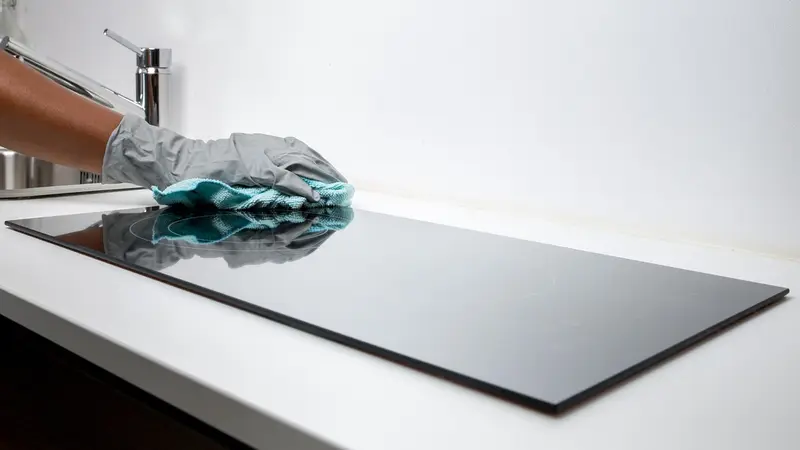
Spray the solution onto countertops, stainless steel appliances, bathroom tiles, and sealed wood surfaces. Give it a minute to loosen grease, then wipe with a clean microfiber cloth. For a stubborn spot, let the spray sit for 3–5 minutes before wiping. Rinse with plain water on surfaces that contact food, such as kitchen counters, so no acidity remains.
Pros and cons
Pros
- Eco-friendly: A reusable bottle cuts down on single-use plastic.
- Cost-effective: Salt and vinegar cost pennies per batch.
- Easy to repeat: The same bottle can be rinsed and refilled.
- Gentle on most sealed surfaces: No harsh solvents in the pantry mix.
- Fast preparation: Ready in a few minutes of shaking and dissolving.
Good to know
- For best results on glass, add a few drops of rubbing alcohol after the salt dissolves.
- Store the bottle in a cool, dark place and mix a fresh batch if it has been sitting for a couple of weeks.
- Skip vinegar on natural stone such as marble or granite; the acidity can etch the surface.
- Shake the bottle before each use to keep any settled salt moving.
Who it’s ideal for
Homeowners who want a simple cleaning routine, renters who prefer everyday pantry ingredients, and anyone happy to label and refill a bottle will get the most from this method. It also suits households that want a straightforward mix they can make without a cabinet of specialty sprays.
Where IonClear Spray electric spray bottle fits
We may earn a commission if you buy through our links, at no extra cost to you.
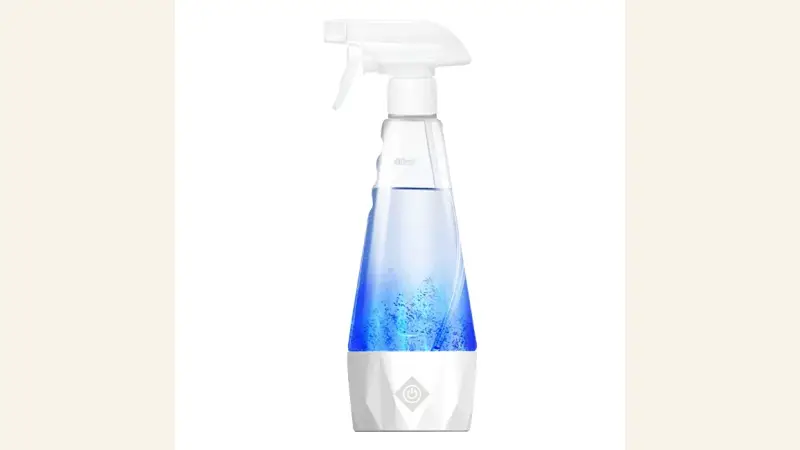
The IonClear Spray electric spray bottle is a different path to a reusable cleaner. You fill the 300 ml bottle with tap water, add table salt with the included scoop, press the power button, and wait about eight minutes while the unit generates a fresh solution. Three salt amounts are listed: low (7.5 g), standard (15 g), or high (22.5 g). The same bottle is reused for later batches, and a trigger nozzle handles the spraying. The offer lists a USB cable, a measuring spoon, and a 30-day money-back guarantee; see the current price and terms on the seller’s page. This process does not use vinegar, and it is not the same as shaking a pantry mix by hand. If you want that electric, salt-and-water option, see the current IonClear Spray offer. You can also compare a reusable bottle-and-refill habit with cleaning tablets in a spray bottle.
Additional care and storage
For a homemade vinegar-and-salt spray, rinse the bottle with plain water now and then so salt does not cake around the nozzle, and make a fresh batch if the mix looks cloudy or has been sitting for a couple of weeks. If you use the IonClear bottle, follow the seller’s care steps; the unit charges with the included USB cable.
Extending the formula
Add a few drops of essential oil such as lavender or tea tree if you want a light scent. Skip this if anyone in the house is sensitive to fragrance. For a citrus note, you can steep orange peels in water for 30 minutes and use that liquid in place of some of the tap water before adding salt and vinegar. These variations change the smell of the bottle; they do not change the basic wiping routine.
Cleaning different surfaces
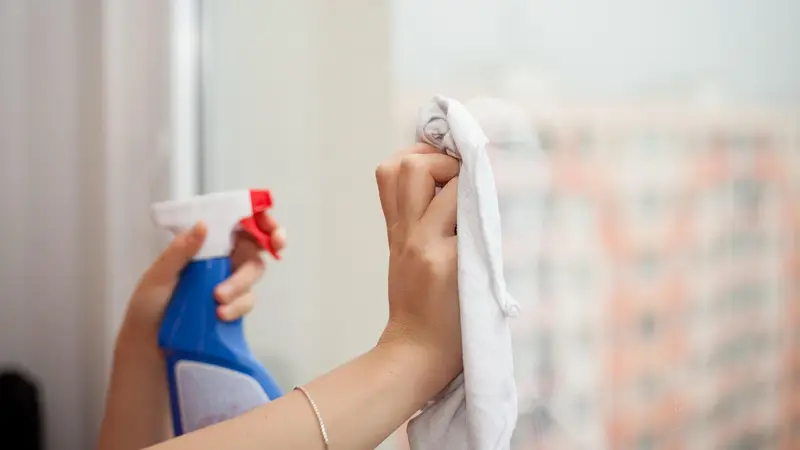
The basic salt-vinegar mix is versatile, but a few adjustments make it a better fit for delicate materials. For sealed hardwood, dilute the solution 1:1 with plain water to avoid lingering acidity that could dull the finish. On marble or granite, skip the vinegar entirely and use just salt and water. Glass and mirrors often respond well to a touch more vinegar, which helps cut film; finish with a dry cloth. For stainless-steel appliances, wipe dry after cleaning to limit water spots. If you prefer a hands-free approach for large glass panes, see our guide on whether window cleaning robots are worth it.
Troubleshooting common issues
A cloudy or gritty solution usually means the salt has not fully dissolved. Let the bottle sit an extra five minutes, then shake again, or start with slightly warm water. If the spray nozzle drips, check that the cap is seated tightly and that no residue blocks the tip; a quick rinse with warm water clears most clogs. Residue on surfaces can appear if the mix is too strong — add a splash of plain water and wipe again. If the scent becomes too strong, use less lemon juice or switch to unscented white vinegar. For streaks on glass, finish with a dry lint-free cloth.
Environmental impact
A reusable spray bottle you refill cuts the number of single-use plastic bottles you bring home. Water, salt, and vinegar are ordinary pantry items, and you can mix only as much as you plan to use. For outdoor cleaning tips that also rely on simple supplies, see how to clean pollen off outdoor furniture.
Cost analysis
Table salt and white vinegar are inexpensive pantry staples, so a homemade batch costs pennies once you already own a spray bottle. A store-bought all-purpose spray is typically a few dollars per bottle once you add the container. If you are weighing the IonClear electric bottle, use the current price on the seller’s page rather than a guessed figure; the ongoing cost after that is water and salt.
Final thoughts
A homemade vinegar-and-salt spray lets you control the ingredients in an everyday cleaner while saving money and reducing leftover bottles. Use a milder mix on delicate surfaces, keep the bottle labeled, and mix a fresh batch when the old one looks tired. If you would rather have an electric bottle that turns tap water and salt into a fresh solution in about eight minutes, the IonClear Spray is built for that routine. For another refill approach, compare this with whether cleaning tablets can replace a closet of sprays.
Sources
- New Mexico State University Extension, Green Cleaning Methods for Your Home (G-315). Includes a general-purpose vinegar, salt, and water recipe and basic handling advice.
- EPA, Identifying Greener Cleaning Products. Background on choosing cleaner household products and reading labels.
Product details come from the seller’s page and can change.
Questions people actually ask
How long does the homemade cleaner stay effective?
The solution remains potent for about 14 days if stored in a sealed bottle away from direct sunlight.
Can I use sea salt instead of table salt?
Yes, but coarse grains may take longer to dissolve; fine sea salt works best for a quick mix.
Is the cleaner safe on hardwood floors?
Test on an inconspicuous area first; a diluted mix (half water, half solution) works best on sealed wood.
Do I need to add fragrance?
Fragrance is optional; a few drops of essential oil give a pleasant scent without affecting cleaning power.
Will the solution remove mold?
For mild mold, spray, let sit ten minutes, then wipe; severe growth may require a specialized mold remover.