The short answer
You can stop buying cleaning sprays by mixing a few pantry formulas, using a concentrate or tablet in a bottle you keep, or generating a fresh salt-and-water spray in a reusable electric bottle. Two or three well-chosen solutions usually cover counters, glass, and bathrooms without a cabinet of single-use bottles.
Why Moving Away From Single-Use Bottles Makes Sense
Commercial cleaning aisles present an overwhelming array of specialized bottles. There are separate sprays for granite, glass, stainless steel, tile, laminate, and painted baseboards. Many of these liquid products are mostly water—often in the range of about 85 to 95 percent—paired with small amounts of surfactant, fragrance, and dye, as noted in a RIVM fact sheet on spray cleaning products. Buying ready-made sprays repeatedly means paying primarily for water and single-use plastic packaging.
Empty plastic spray bottles add up in the trash or recycling bin. Triggers also fail before the liquid is gone, which leads to bottles being thrown out with product still inside. By shifting to reusable containers and basic ingredients, you control the strength of your solutions and cut that plastic churn.
Storing a row of specialized sprays also uses cabinet space. A minimal setup needs only two or three durable bottles and a small container of dry ingredients or concentrate. The CDC’s guidance on cleaning and disinfecting your home notes that regular cleaning with soap or detergent and water removes soil and germs from home surfaces.
Core Ingredients for DIY Cleaning Solutions
Homemade or concentrate-based cleaning solutions rely on a few household ingredients. These low-cost components handle grease, mineral deposits, soil, and odors on most non-porous surfaces.
- White Distilled Vinegar: A standard 5 percent acid solution that cuts through hard-water stains, soap scum, and glass streaks. Use it on non-porous surfaces, but keep it off natural stone such as granite or marble.
- Baking Soda (Sodium Bicarbonate): A mild abrasive and deodorizer. Mixed with a little liquid soap, it makes a useful scrub for sinks, tubs, and stovetops.
- Mild Dish Soap: A surfactant that lifts oils, grease, and dirt from kitchen counters and furniture. A few drops in warm water make a versatile multi-surface spray.
- Rubbing Alcohol (Isopropanol): Speeds evaporation in glass and mirror formulas, which helps prevent water spots and streaks.
- Washing Soda (Sodium Carbonate): A stronger alkaline cleaner than baking soda, useful for greasy cooktops and heavier workshop messes.
Keeping these basics on hand lets you mix solutions as you need them, without a cabinet of single-purpose bottles.
How to Stop Buying Cleaning Sprays with Everyday Formulas
You do not need a complicated setup to stop buying cleaning sprays. A few basic formulas cover nearly every room in the home.
1. All-Purpose Surface Spray
Mix 1 cup of warm tap water, 1 cup of white distilled vinegar, and 1/2 teaspoon of mild dish soap in a reusable spray bottle. Shake gently before use. This mixture cuts grease on laminate counters, appliance exteriors, painted wood trim, and tile backsplashes. If you want a stone-safe option, skip the vinegar and use warm water with 1 teaspoon of dish soap. For a fuller walk-through of bottle choice and pantry mixes, see how to make a reusable all-purpose cleaner.
2. Streak-Free Glass and Mirror Cleaner
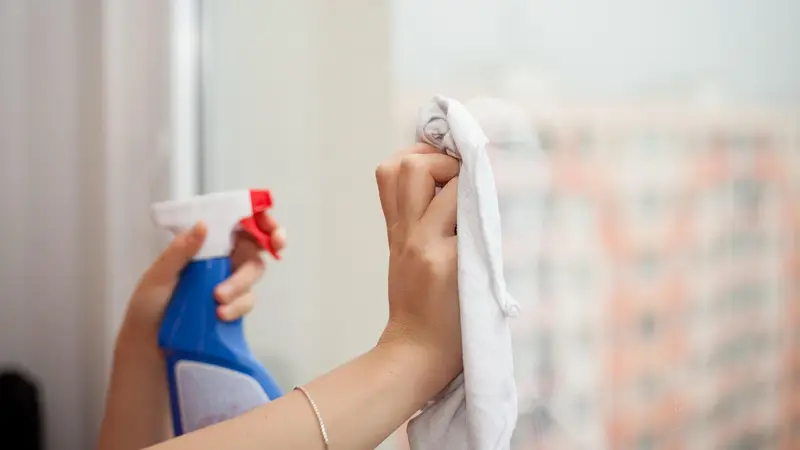
Combine 1 cup of water, 1 cup of rubbing alcohol, and 1 tablespoon of white vinegar. The alcohol helps the mix dry quickly without leaving film on windows, glass tabletops, or bathroom mirrors.
3. Deep-Cleaning Scrub Paste
Mix 1/2 cup of baking soda with just enough liquid soap and warm water to form a thick paste. Apply it to sink basins, bathtub rings, or grout lines with a damp sponge. Scrub gently and rinse with clear water. The same paste is useful in the kitchen when you need to scrub a stubborn stain or remove garlic odor from a cutting board.
4. Heavy-Duty Degreaser
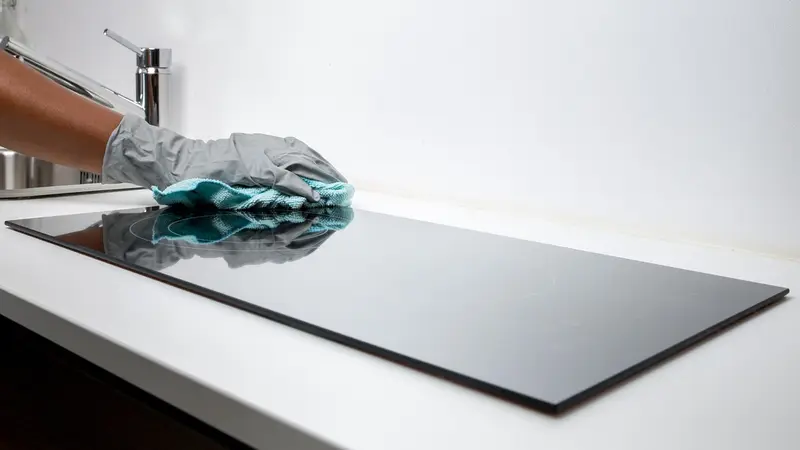
Mix 2 cups of warm water with 1 tablespoon of washing soda and 1 teaspoon of dish soap. Spray it on greasy range hoods, oven doors, or workshop surfaces. Let it sit for a few minutes, then wipe with a microfiber cloth.
Tooling Up: Reusable Sprayers and Dispensing Systems
A lasting switch away from store-bought sprays depends on bottles you can keep refilling. Flimsy disposable sprayers clog and spray unevenly when reused.
- Glass Spray Bottles: Amber or blue glass bottles resist breakdown from vinegar or essential oils. A silicone boot on the base adds drop protection.
- Industrial HDPE Plastic Sprayers: High-density polyethylene bottles hold up to rough handling. Look for a sturdy trigger sprayer with a nozzle that can switch from a fine mist to a stream.
- Concentrate Systems and Tablets: If you prefer not to mix pantry ingredients, a concentrated refill tablet or liquid pod is a convenient step. You drop a dry tablet into tap water inside a permanent spray bottle. A closer look at whether dissolvable cleaning tablets replace single-use bottles shows how pre-measured concentrates cut retail bottle waste while keeping a familiar spray format.
- Electrolyzed Water Generators: These devices use a low-voltage current to convert tap water and table salt into a fresh cleaning solution on demand.
If you would rather buy a ready-made concentrate than mix pantry ingredients, the EPA’s page on identifying greener cleaning products is a useful starting point for reading labels.
Pros and cons
Pros
- Cuts plastic waste and the recurring cost of single-use bottles.
- Frees cabinet space under the sink and in the pantry.
- Gives you control over scents, strengths, and ingredients.
- Lets you skip heavy synthetic fragrances if you prefer a simpler formula.
- Makes it easy to mix a fresh refill from tap water, vinegar, or household salt.
Good to know
- Label every custom spray bottle with the ingredients inside.
- Keep acidic vinegar solutions off natural marble, granite, and unsealed grout to avoid etching.
- Mix smaller batches that you can use within a few weeks.
- Rinse sprayer nozzles with warm tap water between refills so the trigger keeps working smoothly.
Who it’s ideal for
Making your own cleaning solutions or using refillable spray hardware is a good fit for homeowners and apartment dwellers who want to cut single-use plastic, lower the monthly cleaning bill, and keep a short list of simple ingredients on hand.
Where IonClear Spray electric spray bottle fits
We may earn a commission if you buy through our links, at no extra cost to you.
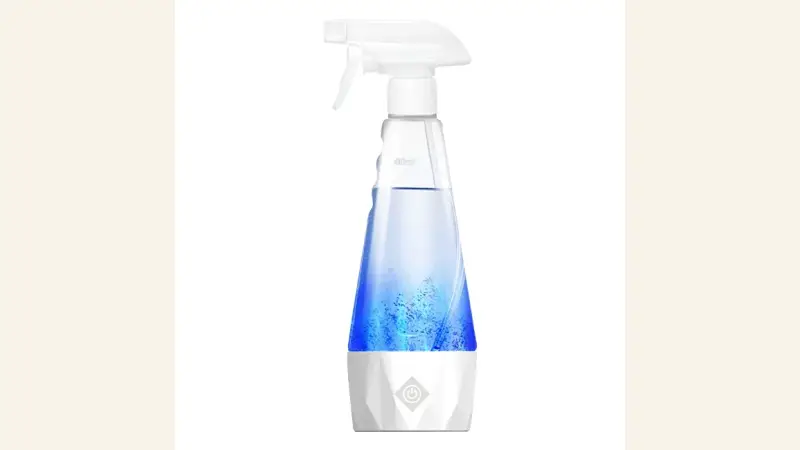
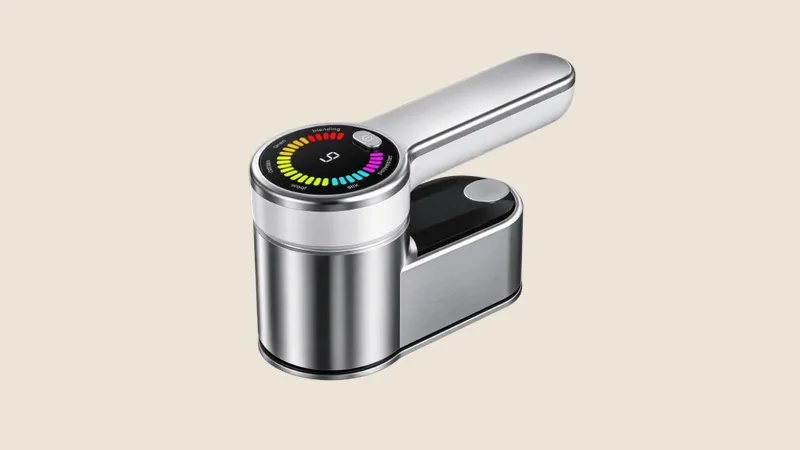
For a fresh solution that cuts the habit of buying store-bought bottles, an on-demand electrolyzed-water generator is designed to work from tap water and salt. The IonClear Spray electric spray bottle turns standard tap water and table salt into a freshly generated multi-surface cleaning spray in about 8 minutes.
Using the system is straightforward. Fill the 300 ml (about 10 fl oz) bottle with tap water, add table salt with the included measuring spoon, press the power button, and let the 8-minute cycle run. The bottle lists three salt-level options—low (7.5 g), standard (15 g), or high (22.5 g)—so you can mix a lighter or stronger batch for the job.
The reusable bottle has a trigger spray nozzle for use on kitchen counters, bathroom fixtures, tile, and glass. The package includes a USB charging cable and measuring scoop, and the offer lists a 30-day money-back guarantee. If this sounds like what you need, take a look at what the IonClear Spray electric spray bottle offers.
Sources
- RIVM, Fact Sheet: Spray Cleaning Products (via NCBI Bookshelf). Notes that many household spray formulas are largely water, often around 85 to 95 percent.
- CDC, When and How to Clean and Disinfect Your Home. Recommends routine cleaning with soap or detergent and water.
- U.S. EPA, Identifying Greener Cleaning Products. Guidance for reading labels when you prefer a ready-made or concentrated cleaner.
Product details come from the seller’s page and can change.
Questions people actually ask
How long do homemade cleaning sprays last?
Simple vinegar-and-water mixes keep well because of the acidity, but label the bottle and remix if the scent or appearance changes. Mixes that include soap or essential oils are better used within a few weeks, so smaller batches stay fresher.
Can vinegar harm kitchen countertops?
Vinegar can dull and etch natural stone surfaces like granite, marble, and limestone over time. For natural stone, use a neutral solution of warm water and a few drops of mild dish soap instead.
What is electrolyzed water in home cleaning?
Electrolyzed water is produced by running a low-voltage current through a mixture of tap water and table salt. Home devices that use this process are designed to generate a fresh surface-cleaning spray without a store-bought chemical formula.
Is it cheaper to make your own cleaning spray?
Mixing your own sprays or using refillable hardware usually costs less per bottle than buying pre-mixed commercial sprays, which are mostly water sold in single-use plastic packaging.