The short answer
To clean greasy kitchen counters without a cabinet full of sprays, apply a grease-cutting surfactant solution made from warm water, mild dish soap, or a dedicated degreasing cleaning tablet. Wipe the surface using a soft microfiber cloth, allow the soap to break down oils for two minutes, and rinse thoroughly with a clean, damp towel before drying.
Why kitchen counters accumulate stubborn grease
Cooking oils do not remain inside your pans. When food sizzles, tiny airborne oil droplets lift into the air and settle on surrounding surfaces. Over time, these fine micro-droplets collect on countertops, cabinet doors, and backsplashes. Dust particles attach to the fresh oil layer, creating a tacky film that ordinary water cannot wash away.
Standard wiping with cold water or a dry paper towel simply smears grease across counter materials like quartz, granite, or laminate. Effective cleaning requires a surfactant—a compound that lowers the surface tension of water so it can bind to oil molecules and lift them off the hard surface. Warm temperatures also help soften congealed fats, making physical removal significantly easier.
Many homeowners respond to grease buildup by buying specialized cleaners for every surface in the room. This leads to overcrowded lower cabinets packed with half-empty aerosol cans and plastic spray bottles. Streamlining your routine with multi-surface solutions allows you to manage kitchen grime effectively while saving under-sink storage space. If you want to reduce household clutter, learning how to stop buying cleaning sprays helps transition your home toward refillable alternatives.
How to clean greasy kitchen counters step by step
Removing heavy grease requires a systematic approach to prevent spreading oily residues across clean prep areas. Follow these straightforward steps to restore your kitchen surfaces.
Step 1: Clear and dust the surface
Before applying any liquid cleaner, remove appliance cords, trivets, and cutting boards from the counter. Sweep away loose crumbs, salt granules, and dry debris using a dry microfiber cloth. Applying liquid directly to heavy crumbs creates a muddy paste that slows down the cleaning process.
If you prepare raw poultry or meat on the counter, wash that zone and your board with hot, soapy water before moving on; choosing the best cutting board material for raw meat makes that cleanup simpler.
Step 2: Apply a warm degreasing solution
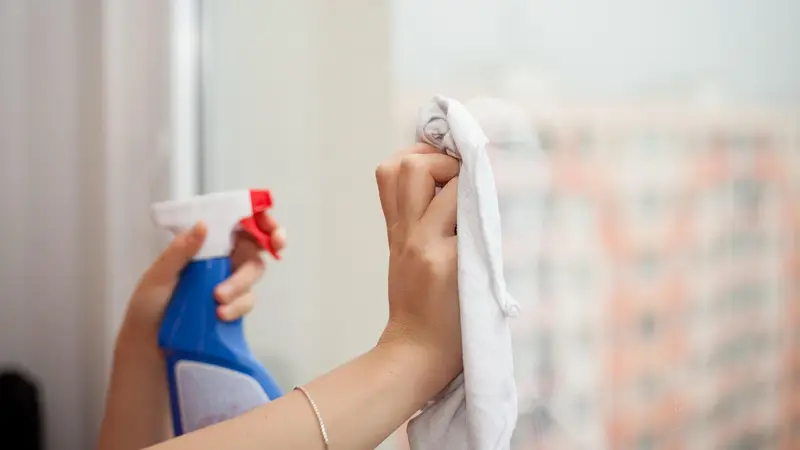
Fill a spray bottle with warm tap water mixed with a grease-cutting surfactant or concentrated cleaning solution. Warm water lowers grease viscosity, allowing the surfactant to penetrate sticky buildup faster. Spray the counter evenly, ensuring full coverage over high-splatter zones near the cooktop.
The USDA Food Safety and Inspection Service recommends washing counter tops with hot, soapy water, especially after preparing raw meat, so a soapy wash is the right base for a greasy counter too. Allow the soapy solution to sit on the counter for 60 to 120 seconds. This dwell time lets the detergent break the chemical bond between the oil and the countertop surface.
Step 3: Scrub with non-abrasive microfiber
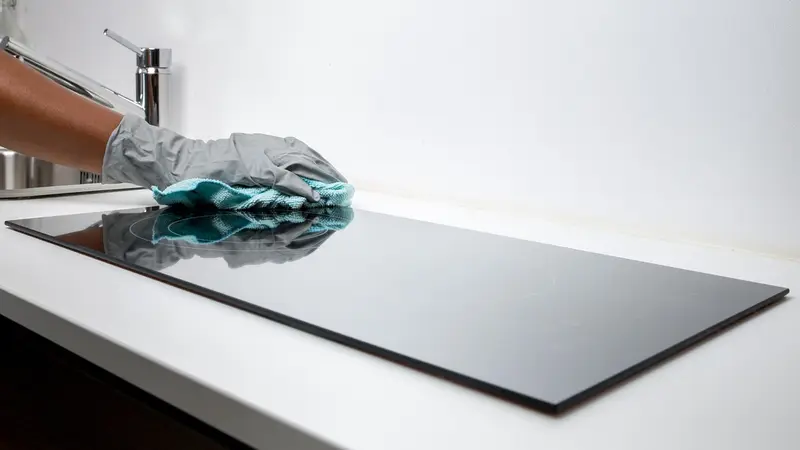
Use a clean microfiber cloth folded into quarters to scrub the counter in circular motions. Microfiber’s fine, split synthetic fibers trap grease particles instead of pushing them around the way paper towels do. Avoid abrasive scouring pads, steel wool, or harsh scrubbing powders, which can dull shiny quartz sealants or scratch laminate surfaces.
For stubborn, baked-on grease spots, apply a second light mist of cleaner directly to the cloth and exert firm downward pressure with the palm of your hand. Work systematically from the back splash forward to the front edge of the counter.
Step 4: Rinse and buff dry
Rinse your microfiber cloth thoroughly in warm, running water, wring out excess liquid, and wipe the entire counter again to lift remaining soap residue. Unrinsed soap leaves a hazy layer that attracts new dust rapidly. Dry the counter completely using a clean, lint-free towel to reveal a streak-free shine.
Surface-specific care: quartz, granite, and laminate
Not all countertop materials react to cleaning agents in the same way. Matching your method to your surface prevents etching, dulling, or stripping protective sealants.
Quartz and engineered stone
Quartz countertops consist of crushed natural stone bound with synthetic resins. Resins are sensitive to harsh chemicals. Avoid strong solvents, bleach, or highly acidic formulas like pure white vinegar, which can degrade resin binders over time. A balanced surfactant solution with warm water removes grease efficiently without dulling quartz luster.
Natural granite and marble
Natural stone countertops rely on topical or penetrating sealers to block oil absorption. Acidic cleaners like vinegar or lemon juice etch unsealed or sealed stone surfaces. Use neutral-pH cleaning solutions or mild dish soaps to lift oils safely without stripping protective stone sealers.
Laminate and solid surface counters
Laminate countertops feature a synthetic outer layer over composite wood. Excess moisture can penetrate laminate seams and cause swell damage. Spray cleaning solution onto your cloth rather than flooding laminate seams, and dry edges promptly after cleaning.
Managing kitchen spray clutter in small cabinets
Maintaining a clean kitchen often leads to an accumulation of single-task spray bottles under the sink. Separate bottles for glass, counters, cooktops, and stainless steel crowd valuable cabinet space and increase plastic waste. Fewer specialty products also means fewer fumes in a small kitchen; the EPA notes that many cleaning and degreasing products release volatile organic compounds while you use them.
We may earn a commission if you buy through our links, at no extra cost to you.
Concentrated formulas solve this problem by providing effective cleaning power without requiring bulky, pre-mixed liquid plastic bottles. Homeowners can mix concentrated solutions in a single reusable spray vessel as needed, freeing up under-sink storage for other essential supplies. If you want to learn more about how concentrated solutions work, read about whether cleaning tablets replace spray bottles in modern home care routines. Alternatively, some homeowners choose to make a reusable all-purpose cleaner at home using simple household supplies.
Where NuroClean cleaning tablets fit
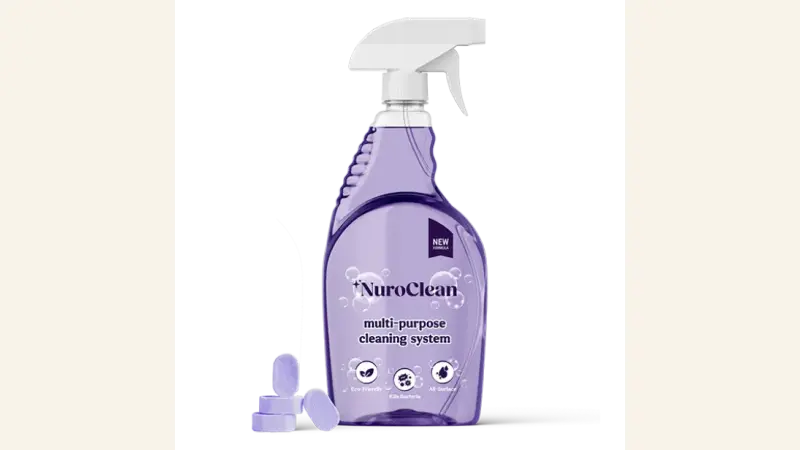
NuroClean cleaning tablets offer a compact, efficient way to manage grease removal without cluttering kitchen storage. Designed as concentrated cleaning tablets paired with a reusable spray bottle, this system replaces a crowded row of standard plastic sprays with a single reusable bottle setup.
Using the system is simple: fill the bottle with ordinary tap water, drop in one concentrated tablet, allow it to dissolve fully, spray the greasy surface, and wipe clean. Because the offer includes multipurpose cleaning tablets plus a reusable spray bottle, refills require minimal cabinet space compared to buying new full-sized plastic bottles each time. It is a quick, tidy way to keep a fresh batch of all-purpose cleaner ready for the counters every day.
By keeping additional tablets stored flat in a drawer, you maintain an ongoing supply of grease-cutting cleaner while eliminating plastic bottle clutter under the sink. If a crowded under-sink cabinet is part of your grease problem, get NuroClean cleaning tablets here and switch to one bottle that handles your everyday counter wipe-downs.
NuroClean benefits at a glance
- Consolidates cabinet storage: Replaces multiple single-use spray bottles with one reusable bottle and compact tablet refills.
- Effective grease breakdown: Formulated to loosen surface oils and sticky kitchen grime when paired with warm water and microfiber towels.
- Simple mixing process: Dissolves quickly in plain tap water without measuring liquids or dealing with heavy jugs.
- Reduces single-use plastic: Reusing the same spray vessel cuts down on plastic bottle disposal in home waste streams.
Best results when you
- Dwell time matters: Allow the dissolved solution to sit on heavy oil splatters for one to two minutes before wiping for maximum grease breakdown.
- Cloth choice affects results: Use high-density microfiber cloths to capture lifted grease particles without leaving streaks.
- Rinse for food contact zones: Wipe surfaces with a fresh damp towel after cleaning prep areas where food sits directly on the counter.
Who it’s ideal for
This approach is ideal for home cooks who want clean, grease-free countertops without storing a crowded collection of specialized spray bottles under the sink. It works well for small kitchens, apartment spaces, and households focused on efficient, simple cleaning routines.
Sources
- USDA Food Safety and Inspection Service, Keep Food Safe! Food Safety Basics. Washing cutting boards, knives, and counter tops with hot, soapy water.
- U.S. EPA, Volatile Organic Compounds’ Impact on Indoor Air Quality. Many cleaning and degreasing products release VOCs during use.
Product details come from the seller’s page and can change.
Questions people actually ask
How do you clean greasy kitchen counters without harsh chemicals?
You can clean greasy kitchen counters using warm water, mild dish detergent or a concentrated cleaning tablet solution, and a soft microfiber cloth. The surfactant in mild soap breaks the bond between grease and hard surfaces without requiring harsh chemicals or abrasive powders.
Does vinegar remove grease from kitchen countertops?
Vinegar cuts through light grease due to its acidity, but it is not recommended for natural stone countertops like granite or marble because acid can etch the surface. A balanced surfactant cleaner or mild dish soap is safer across all surface materials.
Why do counters feel sticky even after wiping them?
Counters feel sticky when cooking oils mix with household dust and are wiped with plain water or dirty sponges, spreading a thin layer of grease. Using a proper surfactant solution with sufficient dwell time and wiping with a clean microfiber cloth removes the sticky residue completely.
Can you use dish soap to clean quartz countertops?
Yes, mild dish soap mixed with warm water is one of the safest and most effective ways to clean quartz countertops. Avoid harsh chemical solvents, bleach, or scouring pads that can damage quartz resin binders.