The short answer
To learn how to clean pollen off outdoor furniture safely, start by dry-brushing or vacuuming loose powder before adding water. Next, wash surfaces with warm water and mild dish soap using a microfiber cloth or soft sponge. Finally, rinse thoroughly with fresh water and allow everything to air-dry completely under full sun.
Tree, weed, and grass pollen sticks aggressively to tables, chairs, and cushions. During heavy spring blooms, airborne dust settles overnight, bonding with morning dew and atmospheric grime. If you let that film sit, organic moisture encourages mildew growth and can stain delicate outdoor fabrics.
Cleaning outdoor living spaces does not require harsh chemical solvents. With the right technique, standard household supplies, and proper rinsing pressure, you can quickly restore your deck set to pristine condition.
Why pollen clings so stubbornly to patio surfaces
Pollen grains are microscopic, jagged structures designed by nature to hook onto surfaces. When pine, oak, or birch trees shed their seasonal loads, the dust floats freely until it lands on horizontal patio planes. Morning humidity and evening dew then activate plant resins inside the grain, creating a sticky paste that resists light dusting.
If left unaddressed, pollen provides food for mold and mildew spores. Organic soils left on patio cushions can serve as host material for fungal growth. The faster you remove that powdery yellow coating, the less scrubbing you will have to do later in the season.
Outdoor furniture also takes a beating from everyday dust, dirt, and air pollution. If your patio borders turf or landscaping beds, blowing soil mixes with pollen, settling into wood grain, wicker weaves, and mesh fabrics. Tackling this build-up requires a balance of mechanical lifting and thorough water flushing.
Tools and supplies you need
You likely already own most of the equipment required to refresh your patio. Gather these items before you begin:
- Soft-bristle scrub brush or handheld horsehair brush
- Handheld or shop vacuum with a brush attachment
- Two 5-gallon buckets (one for wash water, one for clean rinsing)
- Mild liquid dish soap or castile soap
- Microfiber towels and clean cotton wiping cloths
- Standard garden hose with an adjustable spray nozzle
- White distilled vinegar (optional, for mildew prevention)
- Tarp or clean sheet to lay under fabric cushions
Avoid using stiff wire brushes, abrasive scouring powders, or straight bleach. Harsh abrasives scratch powder-coated metal and peel wood sealants, while bleach can degrade polyester stitching on cushions.
Step-by-step: How to clean pollen off outdoor furniture
Follow these sequential stages to wash your furniture efficiently without pushing wet yellow paste deep into crevices.
We may earn a commission if you buy through our links, at no extra cost to you.
Use a soft handheld brush or a shop vacuum with a brush head to lift dry pollen off table tops, chair backs, and seams. Work from the top of each piece downward so falling particles drop to the ground.
Step 2: Prepare a gentle wash solution
Fill a bucket with warm water and add two tablespoons of mild dish soap. Agitate until you have suds. Dish soap contains surfactants designed to cut through sticky plant resins without stripping protective furniture finishes.
If you notice early signs of black mildew spotting alongside the pollen, add one cup of white distilled vinegar to the bucket. The mild acidity lifts fungal growth safely without damaging resin wicker or powder-coated aluminum.
Step 3: Wash frames by material type
Dip a microfiber cloth or soft sponge into the soapy water, wring out excess moisture, and wipe down hard surfaces:
- Metal (aluminum, wrought iron, steel): Wipe along tubular frames, paying special attention to underside joints where water tends to pool. Rinse promptly to avoid soap spots.
- Resin wicker and plastic: Scrub lightly with a soft-bristle brush, using circular motions to coax pollen out of woven crevices.
- Wood (teak, eucalyptus, acacia): Wipe along the direction of the wood grain. Avoid heavy soaking, as wet wood expands and contracts.
Step 4: Flush thoroughly with fresh water
Once soap has lifted the surface film, rinse the frames completely. Lingering soap film acts like a magnet for fresh airborne pollen. A focused spray from a garden hose quickly removes residual suds and dislodged grit.
If you are also refreshing nearby hardscaping during your weekend chores, learning how to clean patio pavers with a garden hose keeps surrounding walkways free of transferred residue. After a quick rinse, wipe metal and glass surfaces with a dry microfiber cloth to prevent hard water spots.
Step 5: Clean fabric cushions and pillows
For outdoor cushions, run the vacuum brush attachment over all seams, piping, and buttons. Lightly sponge the fabric with your soapy water solution, working in gentle overlapping circles. Do not saturate the inner foam cores, as soaked polyurethane foam can take days to dry.
Blot the fabric with a clean, damp towel to lift residual suds. Stand the cushions on their edges in direct sunlight so water drains away from the bottom zipper seams.
Material-specific cleaning guidelines
Different patio materials react differently to water and cleaning agents. Adjust your technique based on what your furniture is made from.
Teak and finished hardwoods
Teak contains natural oils that make it rot-resistant, but pollen can discolor the silvery patina over time. Always use a soft nylon brush across the grain to avoid gouging soft wood fibers. After cleaning and thorough drying, consider applying an outdoor wood protector to create an invisible barrier against seasonal dust.
Powder-coated aluminum and steel
Powder-coated metals are durable, yet acidic tree pollen left baking in the summer sun can dull the finish. Inspect joints for chipping before washing. If you see bare metal on steel pieces, clean the area and touch it up with rust-inhibiting exterior paint. You can also refer to master gardener practices on how to store garden tools so they don’t rust to protect raw metal hardware.
Synthetic resin wicker
Wicker weaves offer hundreds of tiny ledges where pollen hides. A garden hose with a dedicated fan spray is the fastest way to clear those gaps after scrubbing. According to the U.S. Environmental Protection Agency, controlling ambient moisture and removing organic matter prevents persistent mildew buildup on porous household fixtures. Ensure woven resin furniture sits in a well-ventilated spot until completely dry.
How to keep outdoor furniture clean longer
You cannot stop trees from blooming, but you can minimize your daily cleaning routine with strategic prevention:
- Use breathable furniture covers: When high pollen counts are predicted, throw water-resistant, breathable covers over your dining tables and seating groups.
- Store cushions in deck boxes: Keep fabric cushions tucked away inside sealed outdoor storage boxes until you are ready to sit outside.
- Rinse furniture weekly: A rapid water rinse every few days prevents pollen from baking into finishes under hot afternoon sun. Understanding how garden hose pressure nozzles direct spray helps you pick the right spray pattern for delicate furniture.
- Position seating away from heavy shedders: Move tables and chairs away from the direct drip line of large oak, pine, or birch trees during peak pollination weeks.
Where Jetterix fits
Keeping outdoor furniture free of sticky pollen often comes down to regular, efficient rinsing. Dragging out heavy machinery or setting up complex extension cords every time you want to sit on your patio takes too much time. This is where a dedicated spray attachment makes outdoor maintenance effortless.
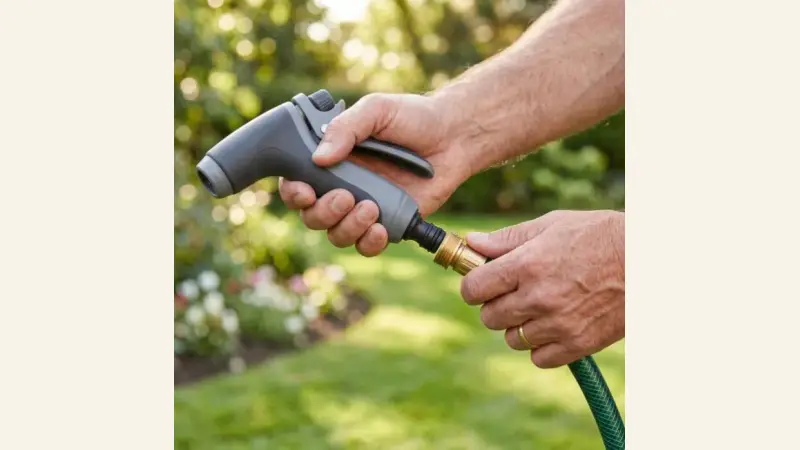
Jetterix attaches directly to your standard outdoor garden hose, requiring zero electricity to operate. You simply thread it onto your existing hose line and instantly gain a more focused, controlled rinse for cleaning tables, chairs, siding, patio pavers, vehicles, and yard tools. Because it runs purely on your domestic water pressure without a bulky motor, you can perform quick daily touch-ups on dusty patio chairs without any complicated preparation.
An integrated adjustable nozzle lets you switch smoothly from an expansive fan spray—perfect for covering large glass tabletops and washing soft patio cushions—to a concentrated stream that flushes packed pollen out of tight wicker crevices and chair slats. If you want a quick, dependable way to blast away tree pollen and keep your patio ready for company, you can explore the Jetterix hose attachment on the official supplier portal.
Having an easy-to-use attachment handy makes weekly patio maintenance simple. Instead of letting layers of yellow dust bond to your outdoor sets, a brief two-minute pass keeps every chair inviting and clean. You can check the current Jetterix offer and delivery details to add this versatile rinsing tool to your outdoor cleaning routine. If this sounds like what you need, take a look at what Jetterix offers.
Pros and cons
Pros:
- Connects directly to any standard garden hose with no adapters required
- Operates completely without electricity or bulky motor units
- Adjustable nozzle transitions effortlessly between a gentle fan and a focused rinse stream
- Multi-purpose design works across outdoor furniture, siding, stone patios, vehicles, and gardening tools
- Lightweight construction is easy to store and handle during quick daily rinses
Best results when:
- Threading tightly onto a quality garden hose washer to ensure a leak-free seal
- Using standard household water pressure to achieve balanced, consistent outdoor rinsing
- Storing the attachment indoors before freezing winter temperatures arrive
Who it’s ideal for
This cleaning approach and rinsing tool are ideal for homeowners, renters, and patio enthusiasts who want to maintain spotless outdoor living spaces without hauling out cumbersome electric machinery. If you deal with seasonal pollen blooms, roadside dust, or frequent outdoor entertaining, having a simple, hose-mounted rinsing system keeps your furniture comfortable, hygienic, and ready to enjoy all spring and summer.
Sources
- U.S. Environmental Protection Agency, A Brief Guide to Mold, Moisture, and Your Home. Provides guidance on controlling moisture and organic matter to prevent mold on household items.
- Penn State Extension (home page). Backup authority source for seasonal exterior surface maintenance.
- University of Minnesota Extension (home page). Backup authority source for home and outdoor living guidance.
Product details come from the seller’s page and can change.
Questions people actually ask
Can I pressure wash outdoor cushions to remove pollen?
It is best to avoid high-pressure washing on outdoor fabric cushions. High pressure can tear delicate seams, damage water-resistant coatings, and force water deep into inner foam cores, which leads to mold growth. Instead, use a gentle garden hose rinse and a soft sponge with mild soap.
Does vinegar remove pollen stains from patio chairs?
Yes, white vinegar mixed with warm water and mild dish soap helps break down organic pollen residues. The gentle acid dissolves yellow stains and retards mold growth without damaging plastic resin, powder-coated metals, or painted wood.
Why shouldn't I spray dry pollen directly with a hose?
Spraying dry pollen immediately with water turns the loose dust into a thick yellow paste. This sludge gets pushed deep into fabric weaves and textured wicker gaps, making it significantly harder to scrub clean. Always vacuum or dry-brush first.
How often should outdoor furniture be cleaned during pollen season?
During peak bloom periods, give your furniture frames a quick fresh-water rinse once or twice a week to prevent pollen from baking onto surfaces. Deep cleaning with soap and a soft sponge is typically only needed every two to three weeks or before hosting guests.